Step-by-Step Video Lesson in Expressive Acrylic Painting
Discover the Joy of Intuitive Abstract Painting
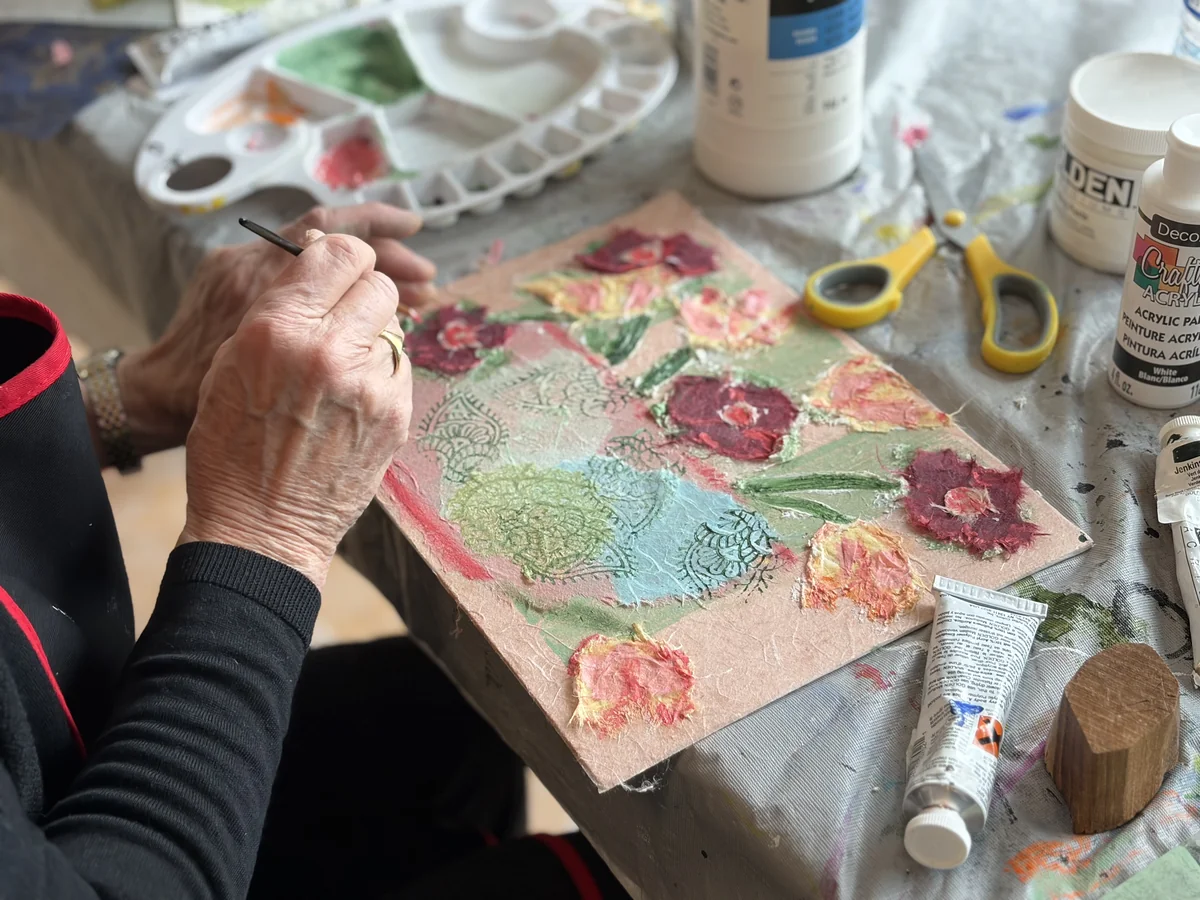
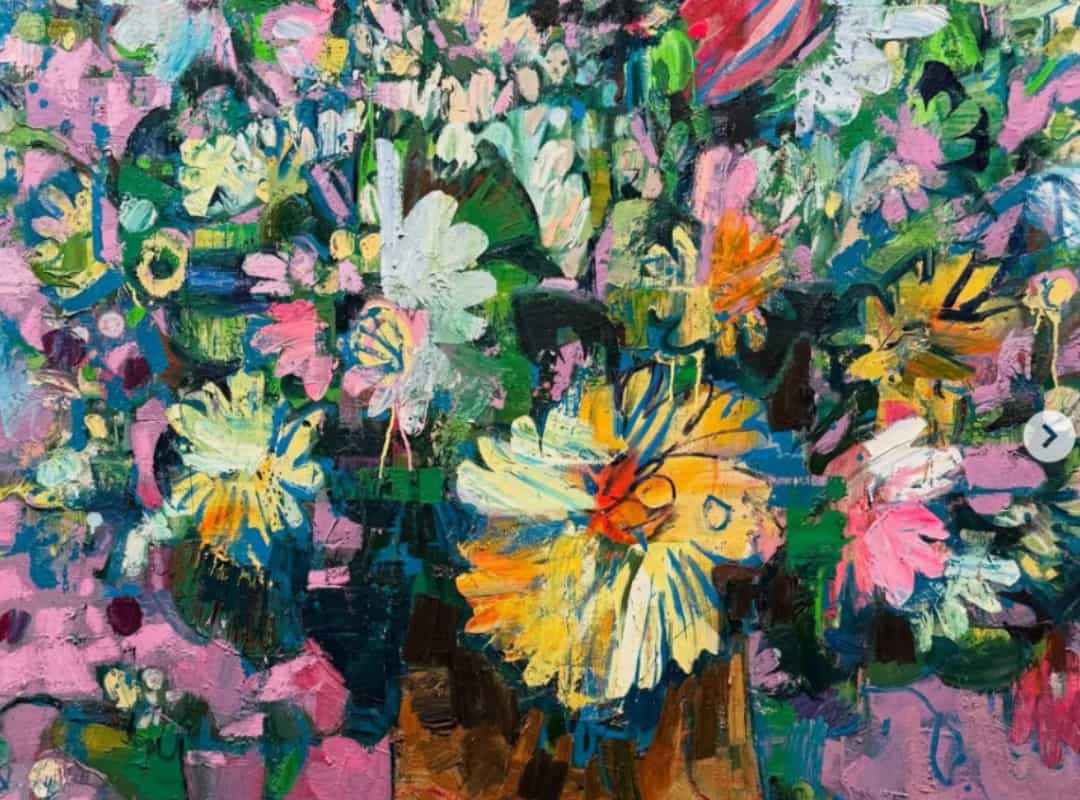
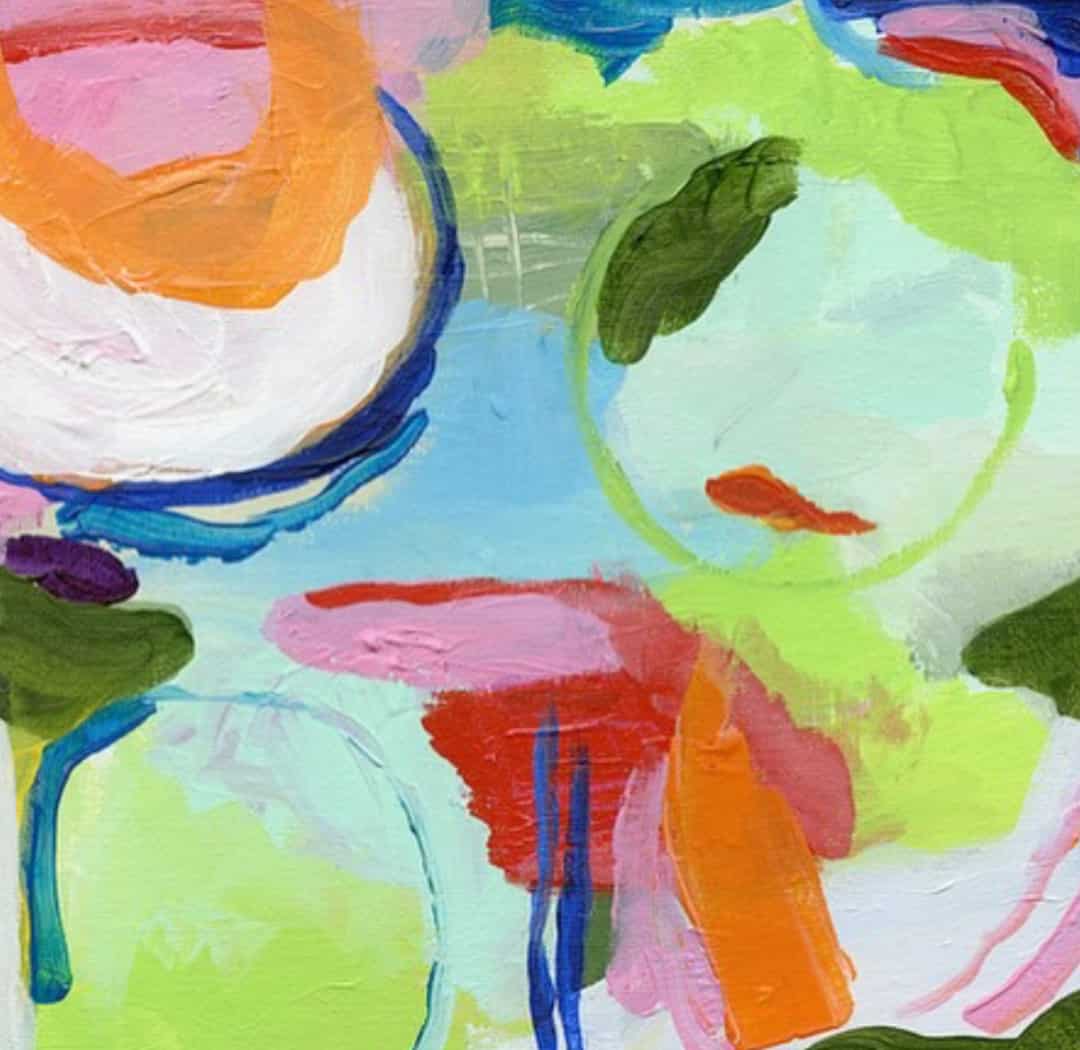
Join Farida Zaman as she guides you through her intuitive and expressive approach to painting with acrylics. Forget rigid rules and embrace the freedom of colour, pattern, movement, and composition. This isn't just about creating a final piece; it's about the journey of exploration and responding authentically to your artistic instincts in real time.
Farida's gentle guidance will help you tap into your intuition and discover the unique language of your own abstract art. Whether you're a beginner curious about abstract techniques or an experienced artist looking for fresh inspiration, this lesson offers valuable insights into Farida's process and encourages a playful, experimental approach to painting.

Step 1: Laying the Foundation
-
Objective: Prepare a receptive surface with Gesso.
-
Action: Apply a smooth, even layer of gesso across your entire canvas to ensure your acrylics adhere properly and stay vibrant.
Insight:
Think of this as "priming your mind" as much as the canvas—use steady, calming strokes to begin your session.
Step 2: Setting the Mood
-
Objective: Introduce initial colour and movement.
-
Action: Choose a few base shades and establish an underlying texture with irregular, energetic brushwork.
Insight:
Don't overthink placement here; let your intuition lead the brush to create raw, unrefined movement.
Step 3: Building Depth & Texture
-
Objective: Explore Impasto and Sgraffito techniques.
-
Action: Use a palette knife to apply thick layers of paint (impasto) or scratch through wet layers (sgraffito) to reveal colors beneath.
Insight:
These tactile methods add physical history to your piece, making the process visible to the viewer.
Step 4: Layering Light & Mass
-
Objective: Balance transparency with opacity.
-
Action: Layer paints in varying thicknesses—use thin washes for translucency and thicker blocks for solid focal points.
Insight:
This contrast creates "visual breathing room" within a complex abstract composition.
Step 5: Strategic Colour Pairing
-
Objective: Direct the eye through contrast.
-
Action: Select color pairings that create dynamic tension and guide the viewer’s eye across the canvas.
Insight:
Colour is a roadmap; use it to tell the viewer where to look first and where to linger.
Step 6: Creating Compositional Harmony
-
Objective: Introduce shapes for visual rhythm.
-
Action: Paint a variety of shapes to create balance and movement, considering how they interact with your earlier layers.
Insight:
Shapes act as the "bones" of your painting, giving the intuitive colors a sense of structure.
Step 7: The Final Refinement
-
Objective: Add intricate patterns and detail.
-
Action: Use different brush sizes to add unique strokes and rhythmic patterns for a final layer of complexity.
Insight:
These final marks are like your artistic signature—let them be small, intentional, and full of personality.