
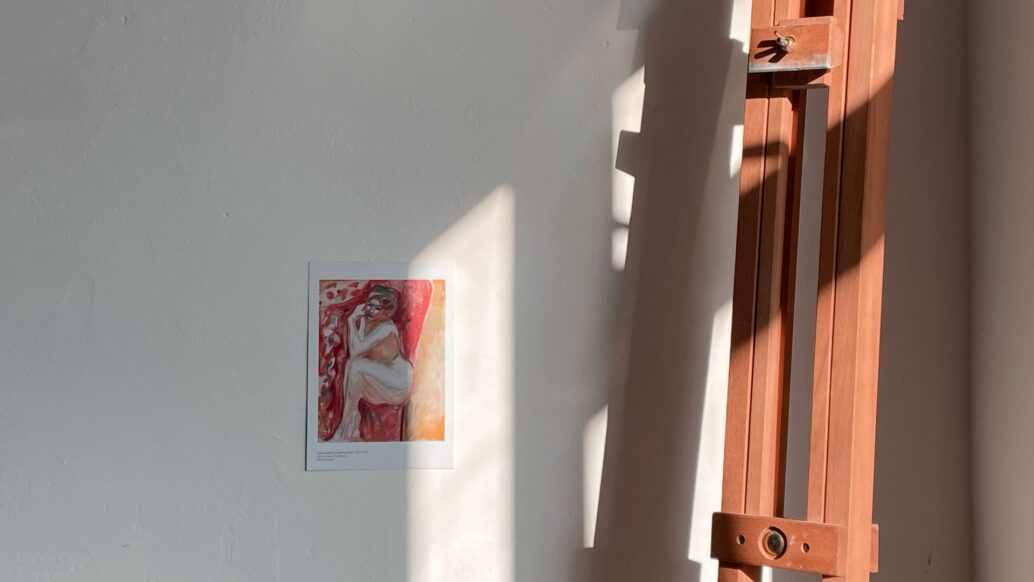
Art, Loneliness, and the Value of Being Together
Earlier last month, our founder Lola Rasminsky, alongside cultural strategist Gail Lord, published an opinion piece in the Toronto Star on art, loneliness, and a growing practice known as social prescribing.
The article stayed with us. Not because it introduced something unfamiliar, but because it gave language to what we’ve seen unfold quietly for years in community art classrooms.
When art becomes a way back to connection
One idea in the article resonated deeply: that care might begin not with “what’s wrong with you?” but with “what matters to you.”
In the U.K., this question has shaped how social prescribing connects people to group activities, including drawing and writing classes, as part of broader approaches to health and well-being. The article points to evidence showing that participation in arts programs can reduce isolation, improve well-being, and even lessen reliance on medical services.
What matters to us is the human scale of this idea.
Art doesn’t ask people to explain themselves.
It invites them to sit down, make something, and return.
Read the full article
Toronto Star opinion piece (PDF):
by Lola Rasminsky and Gail Lord
What this looks like in practice
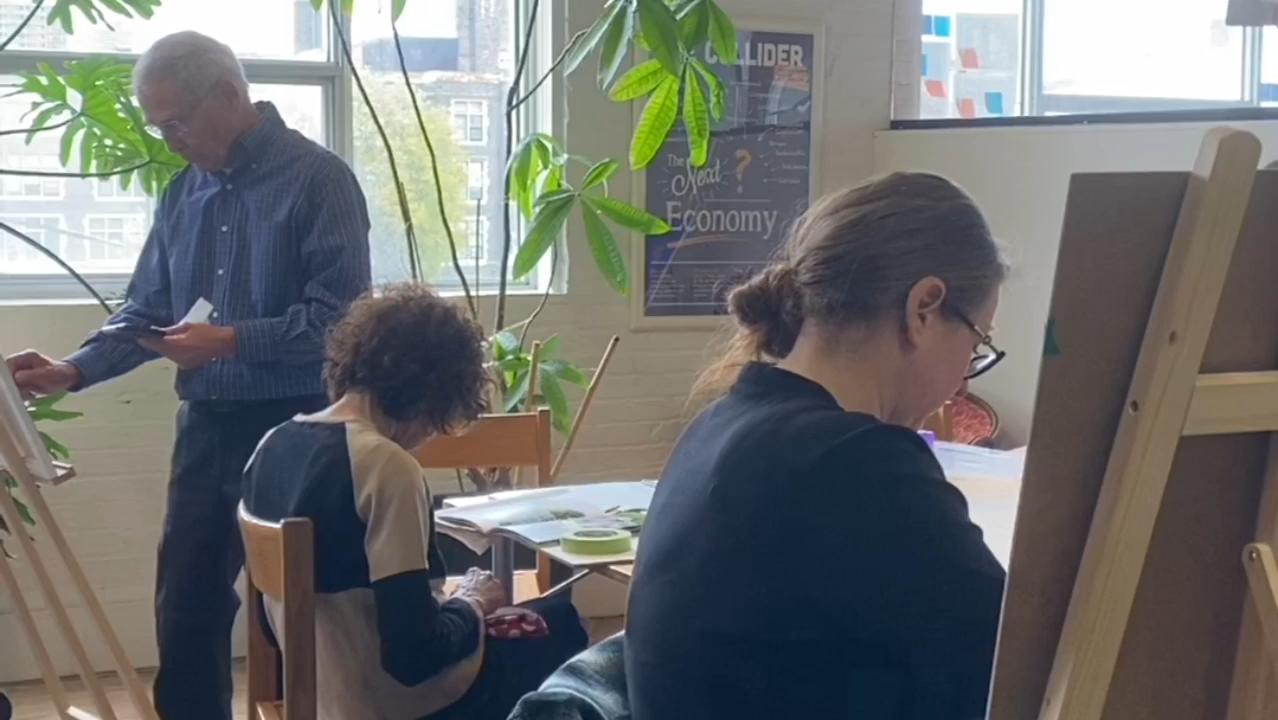
At Avenue Road Arts School, we don’t frame our programs as health interventions. We think in terms of materials, process, curiosity, and learning.
And yet, the patterns described in the article are familiar.
People return week after week, not just to build skills, but to establish rhythm. Conversations unfold slowly across tables. Silence can be shared without discomfort. Belonging emerges through repetition and presence.
These moments are modest, but they accumulate to something meaningful.