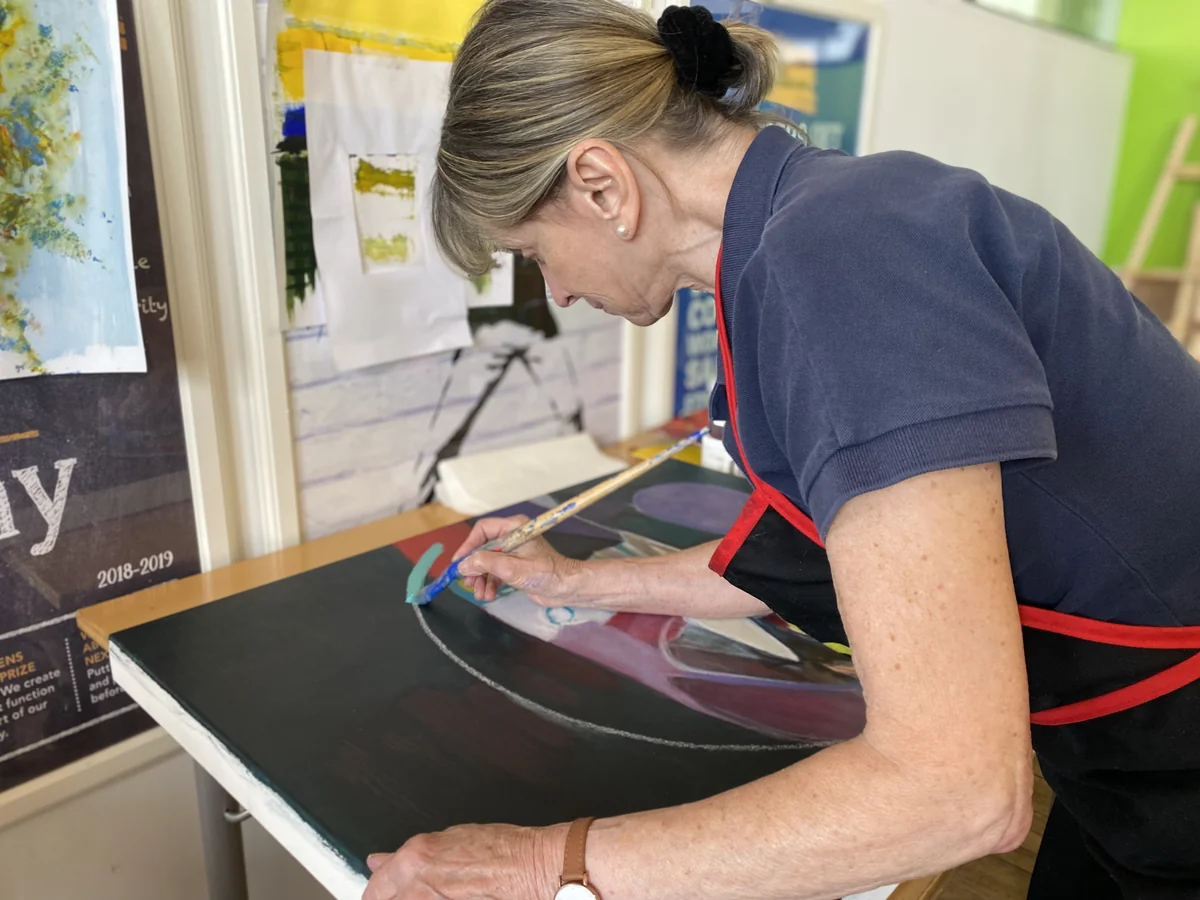
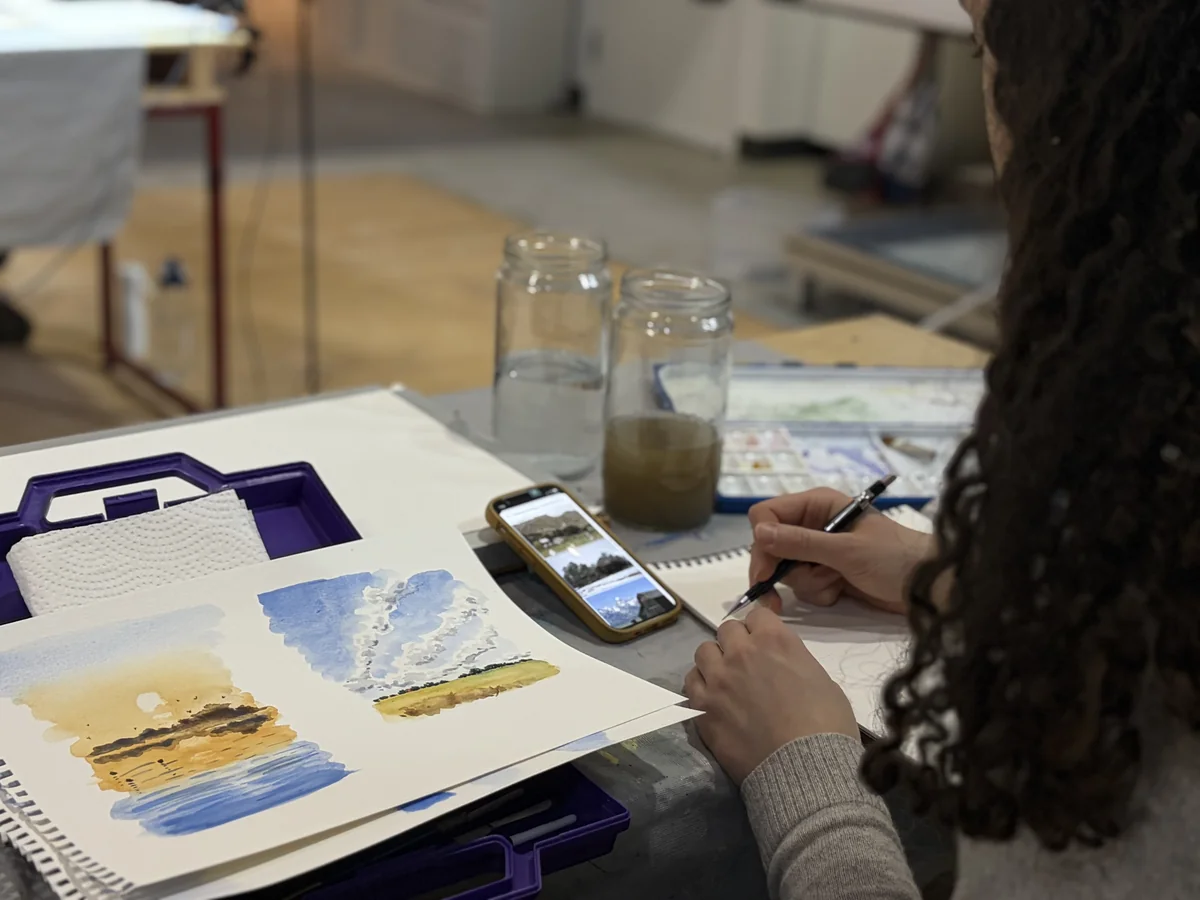
Begin Your Creative Journey
The questions everyone asks before their first class
Am I too old to start?
You won't be the oldest in the room, or the youngest. Our beginner classes regularly include students in their 20s through their 70s, most of whom hadn't picked up a brush since school. Learning to draw or paint isn't a childhood window that closes behind you. It's a skill, and skills don't check your age.
Will I embarrass myself?
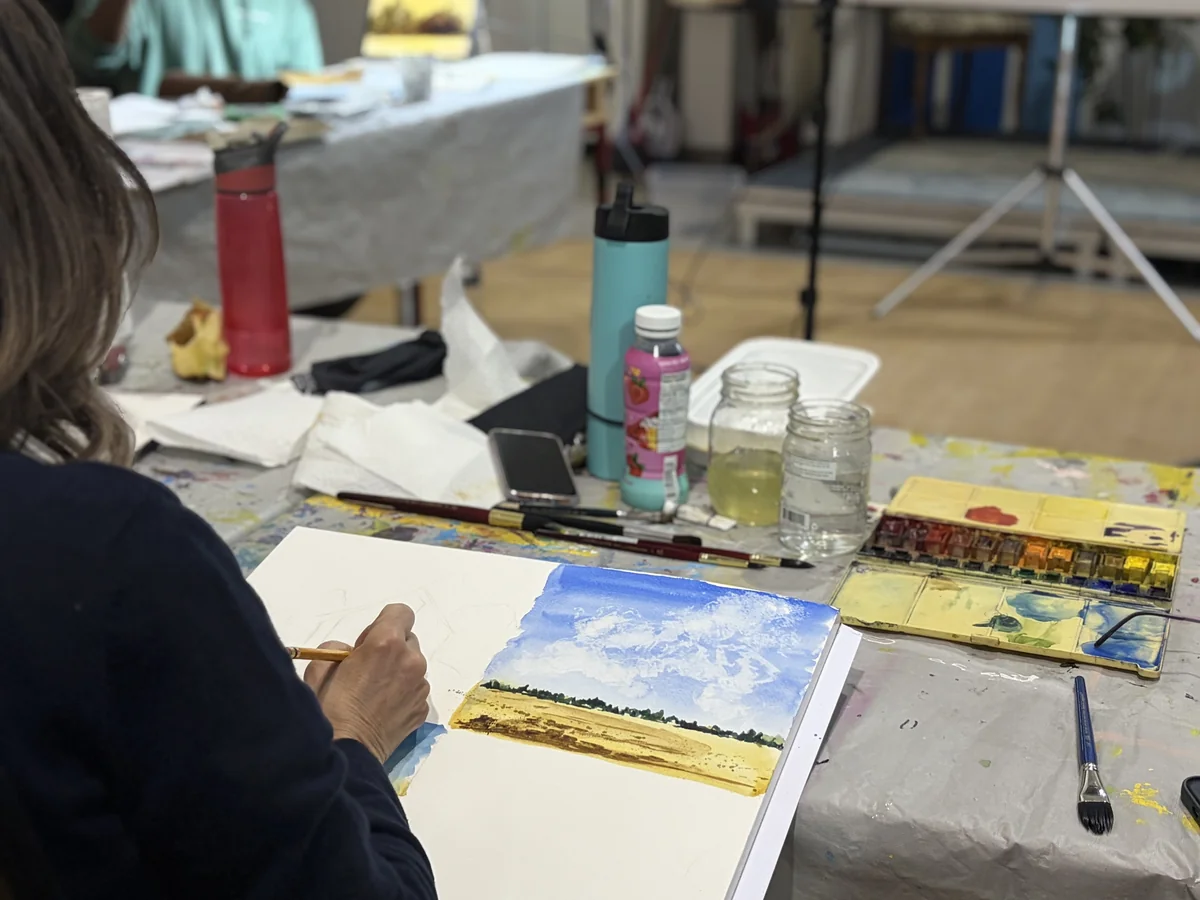
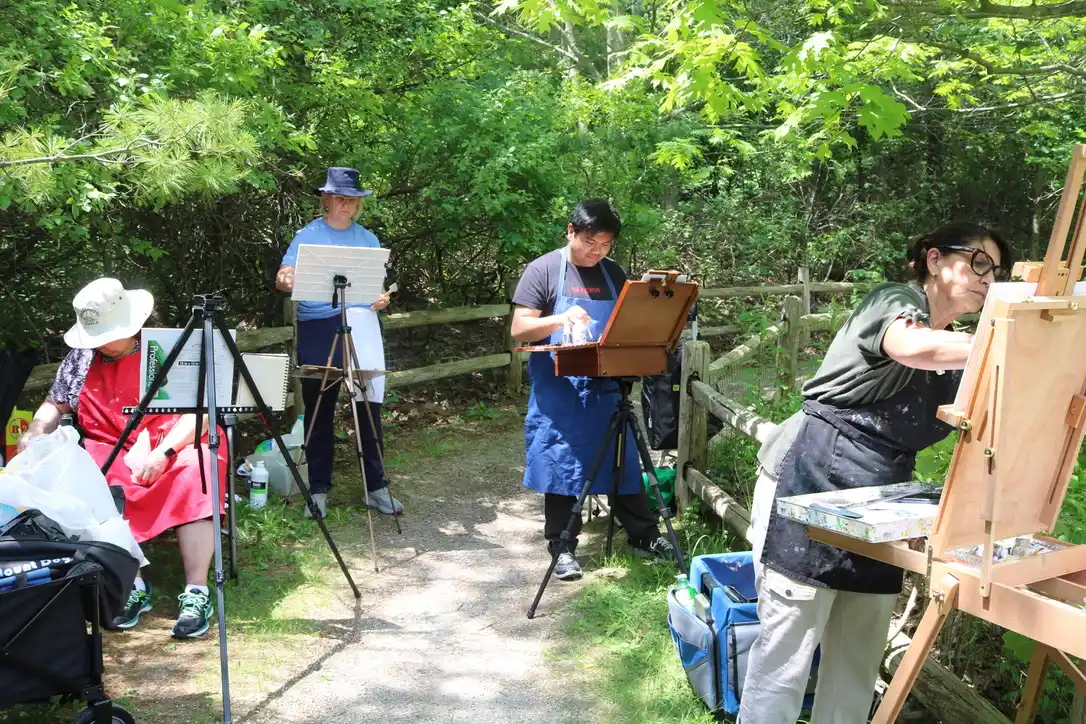
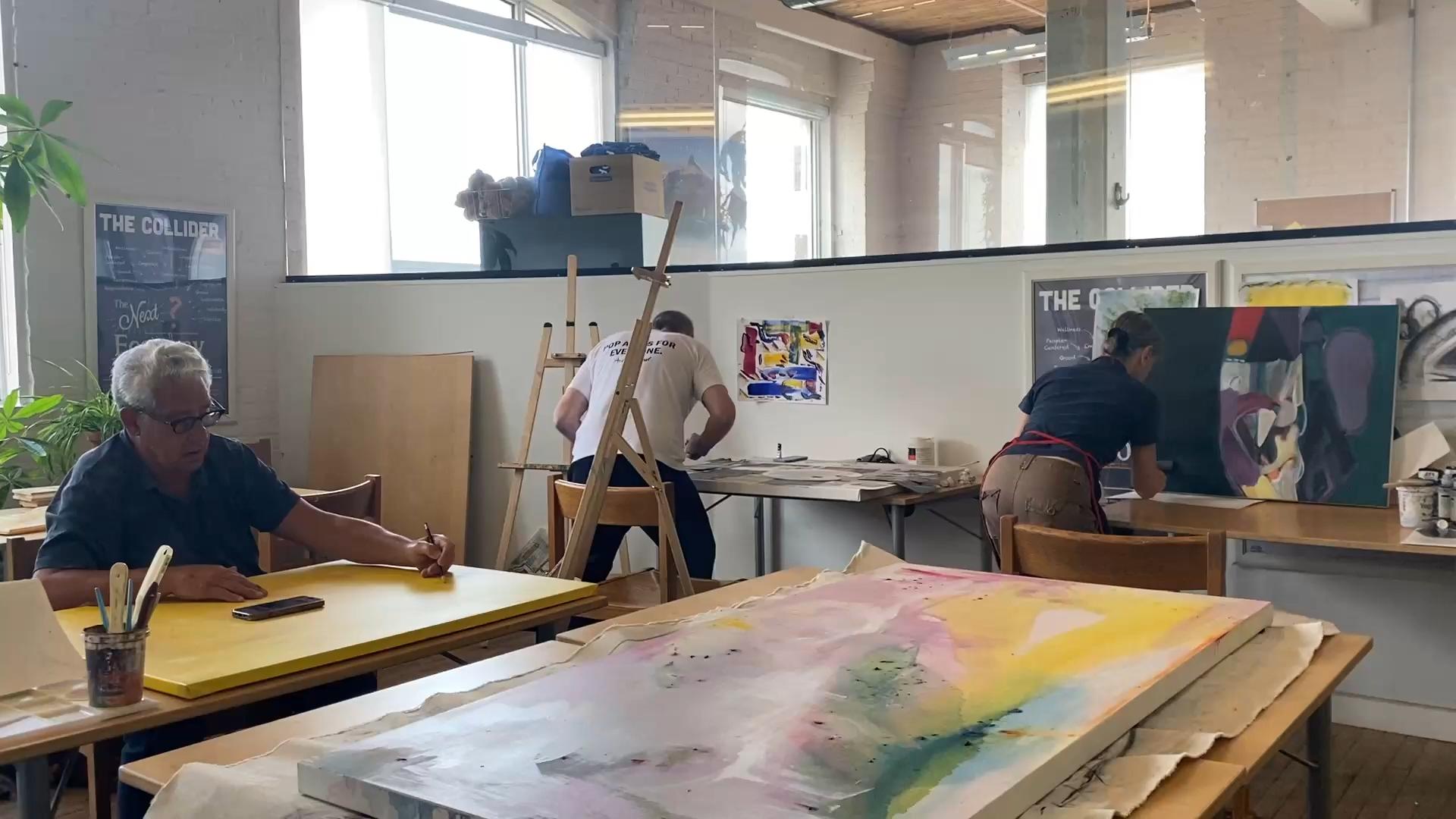
Everyone in a beginner class is a beginner. Nobody is watching your easel. They're too busy worrying about their own. Our instructors teach first-timers every term, and classes are kept small, usually around 10 students, so you get quiet one-on-one guidance instead of public critique. There are no group judgments and no holding your work up for the room.
What if I have no talent?
Talent is the most overrated word in art. What beginners actually need is a teacher who breaks things into steps: how to hold the pencil, how to see shapes instead of things, how to mix the colour you actually want. All of that is teachable. Every term, students who arrived saying "I can't draw a straight line" leave with a finished piece they didn't think they had in them.
What to Expect in Our Beginner Classes
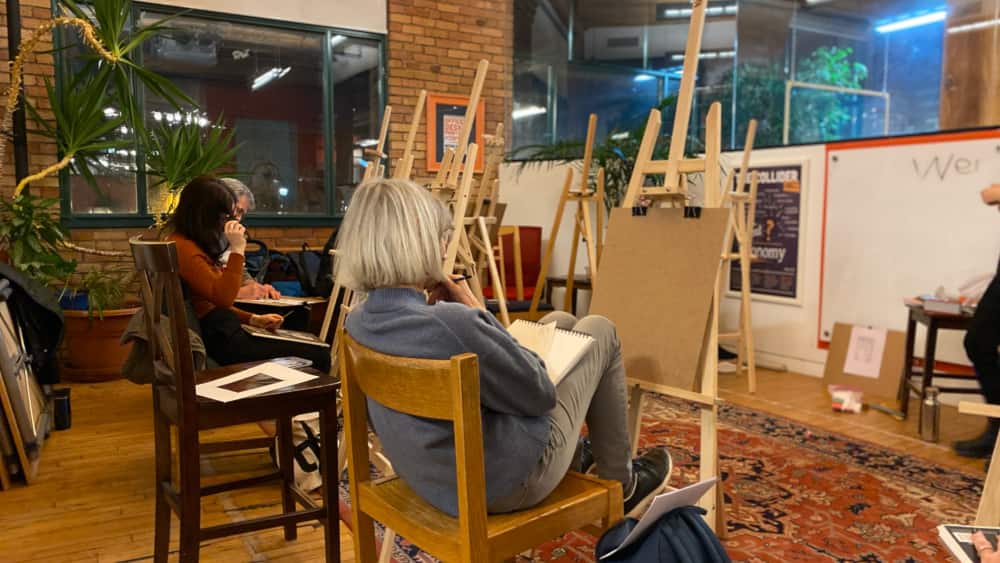
Every instructor teaches a little differently, but the shape of a beginner class is reliably the same — and it's gentler than most people expect.
- You don't need to arrive with anything.
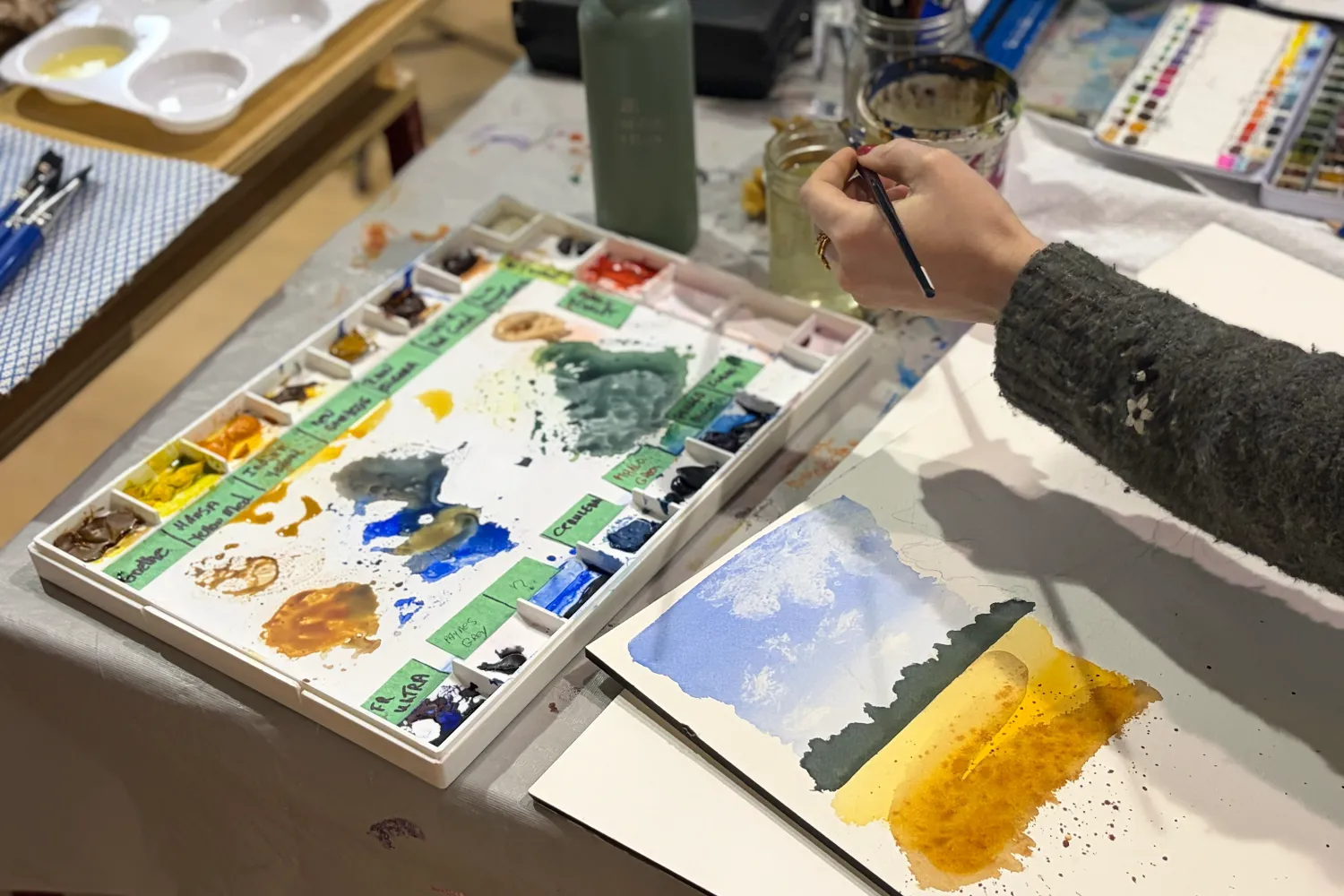
You're not expected to own a kit. We keep a small selection of materials on hand, and every class lists exactly what you'll need on its own course page, so there are no surprises. If you're unsure what to bring, we'll work it out with you before or on the day. Nobody is turned away or made to feel out of place for showing up empty-handed. - Classes are about principles, not pressure.
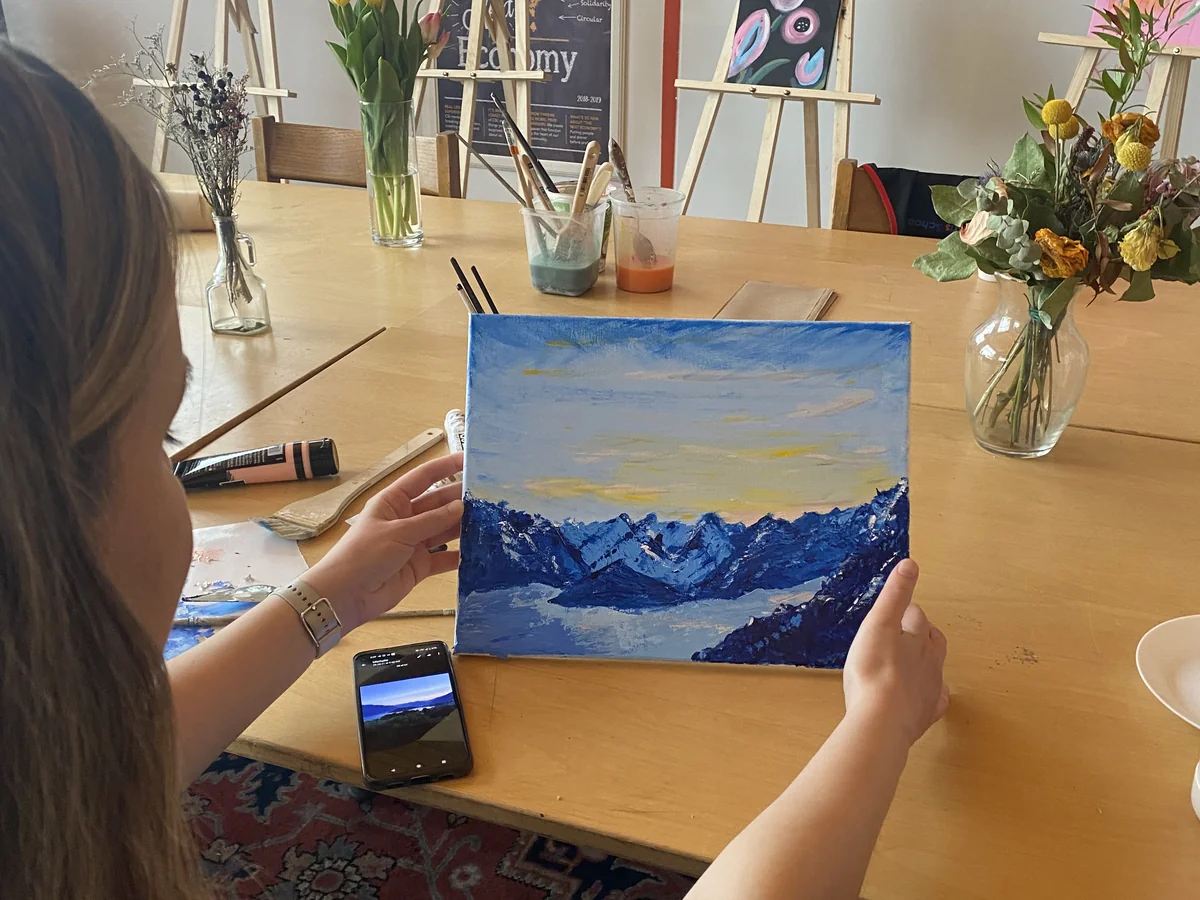
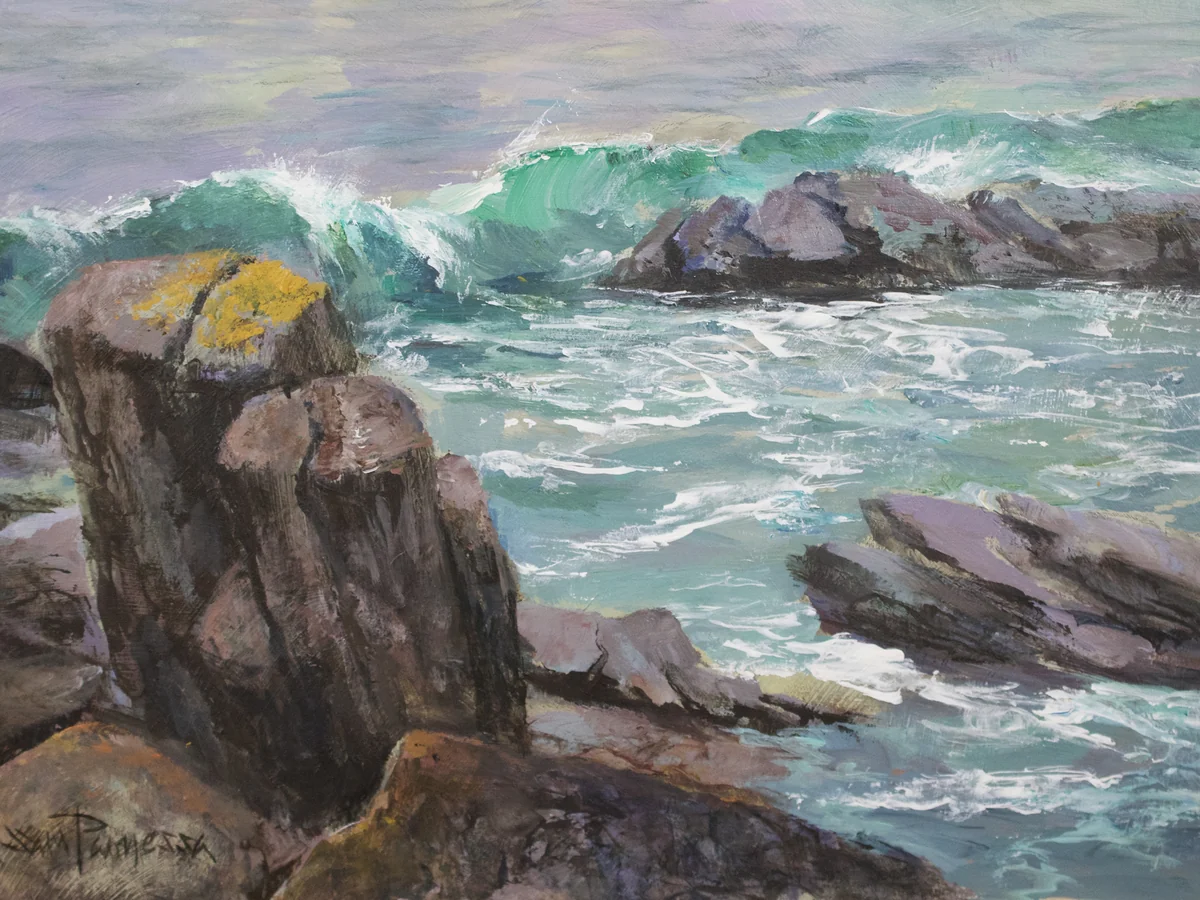
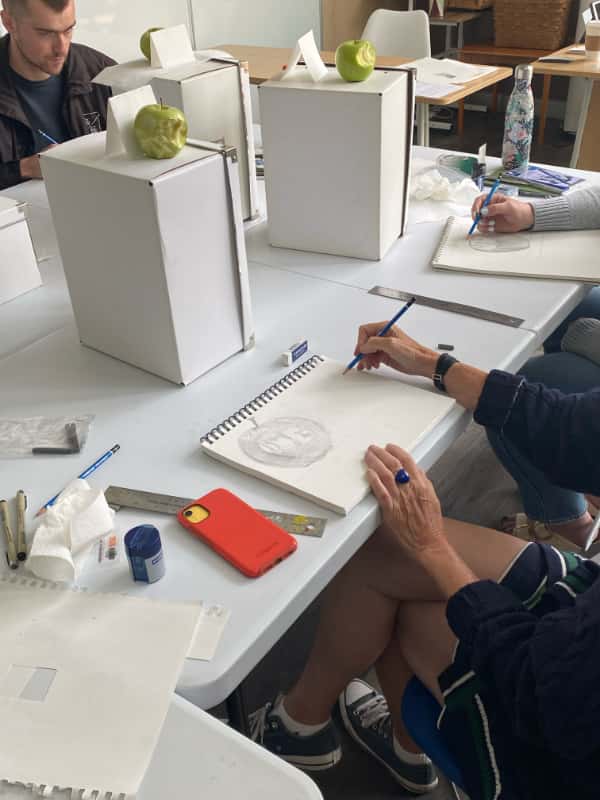
A beginner painting term builds from the ground up: how the tools work, what the materials do, and the principles behind making a painting, rather than rushing you toward a finished piece. A beginner drawing class works the same way, starting with line, proportion, and learning to see, built through exercises rather than one make-or-break artwork. You're learning a foundation, not auditioning. - You won't leave with a masterpiece on day one, and that's the point.
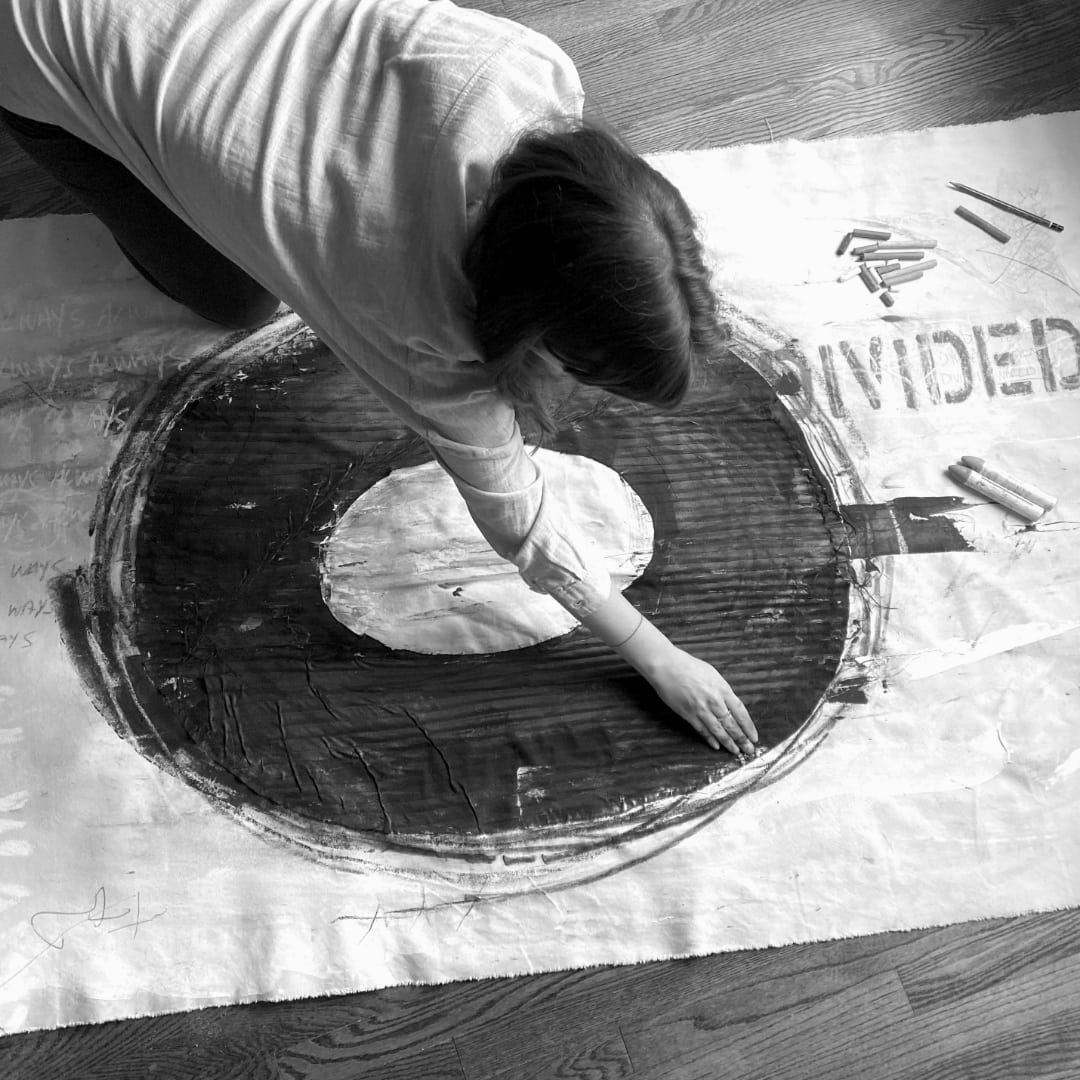
The goal of a first term isn't a framed painting. It's the moment something clicks, when a shape you couldn't draw last week suddenly works. That's what brings students back, term after term.
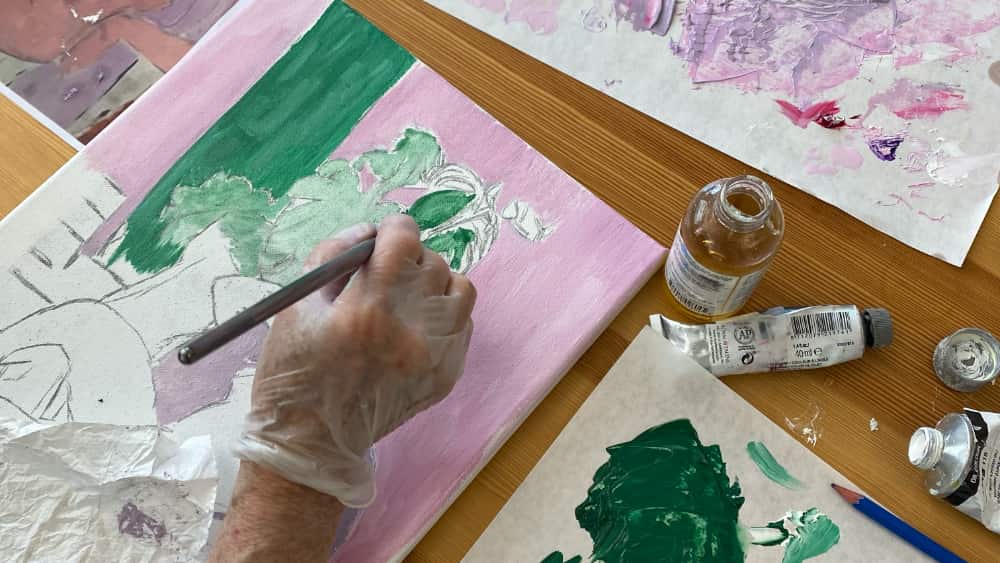
Meet our friendly instructors.
"I attended 3 courses with Martha Johnson [at ARAS], and it was a lovely experience. I am a beginner painter and learned a lot and feel confident to paint on my own. I definitely plan to stay in touch. "

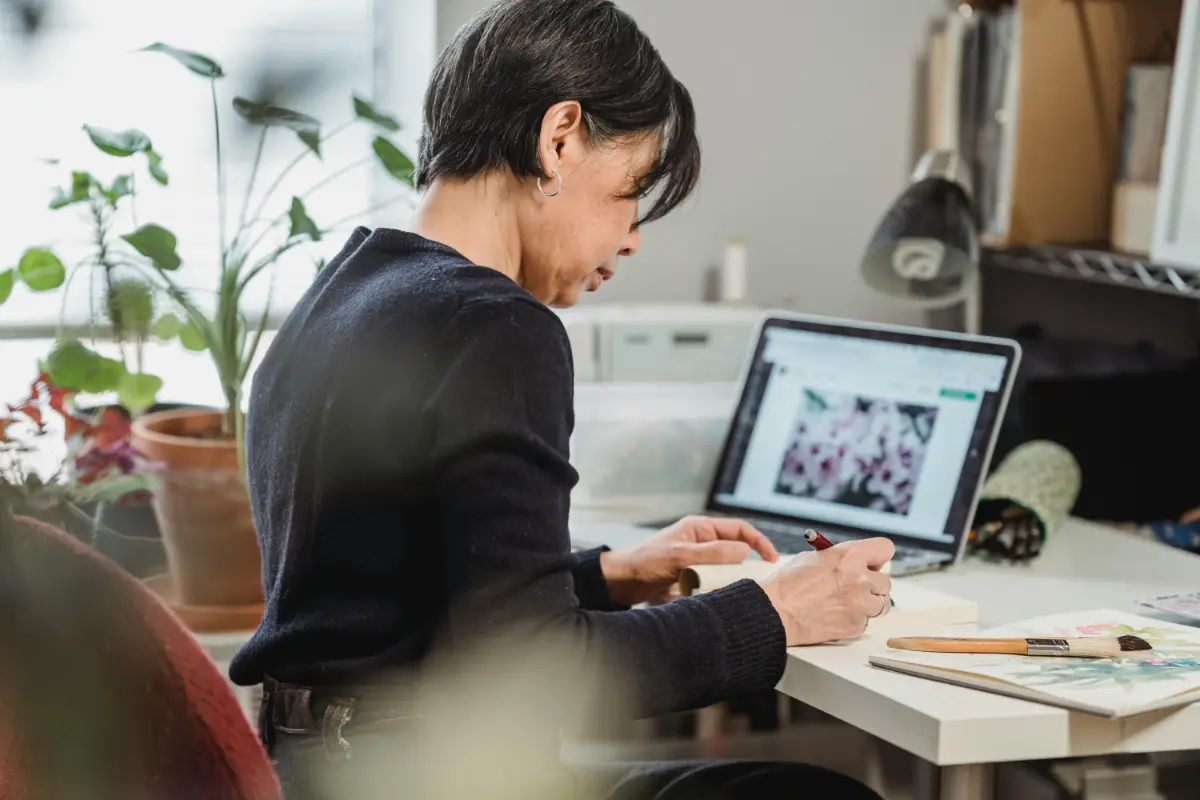
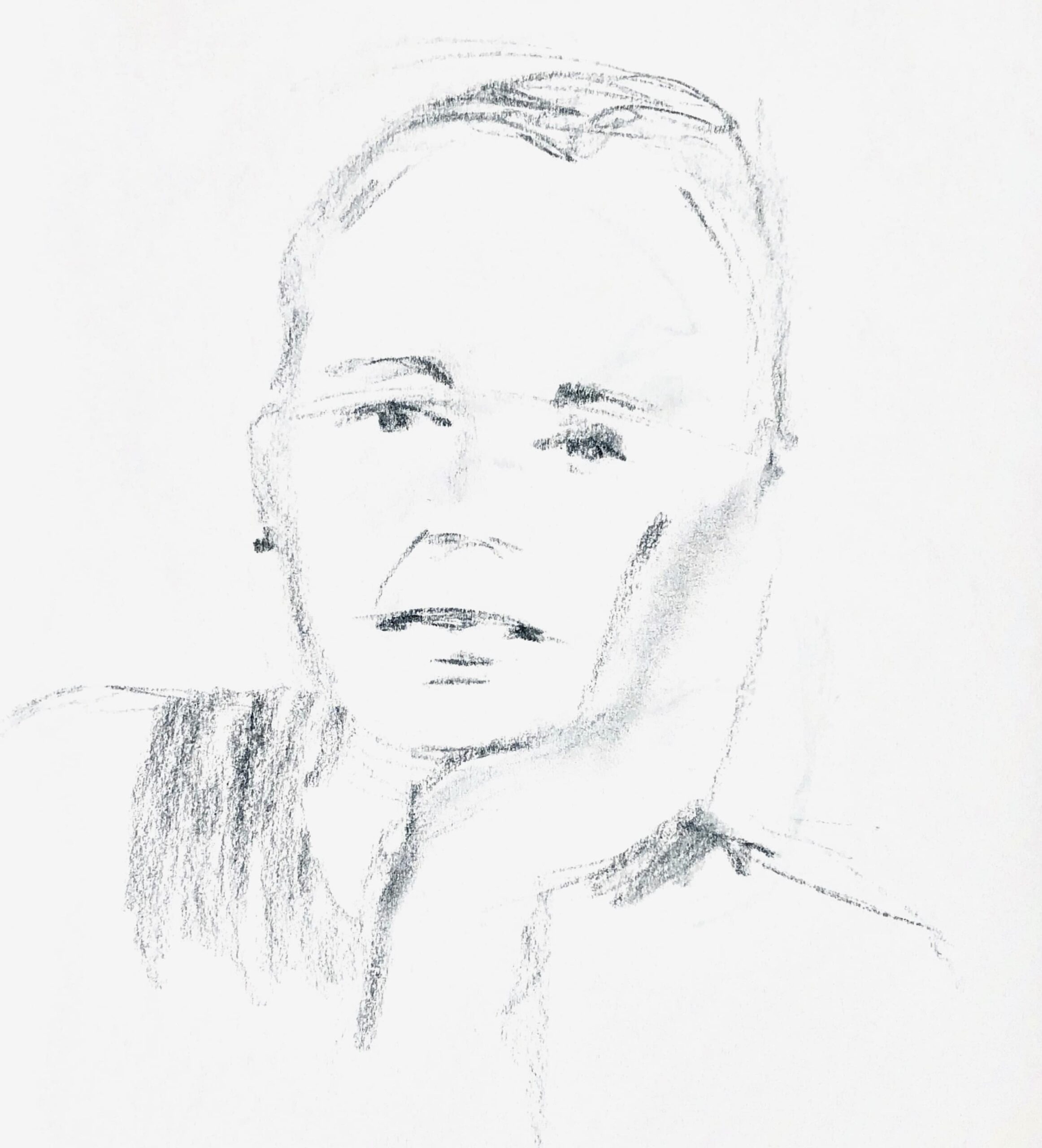
Rose Montgomery-Whicher teaches drawing as the meditative art of careful observation. With a PhD in Art Education and decades of teaching at institutions from the University of London to Kettle's Yard in Cambridge, she helps students of all levels find confidence in the creative process. For beginners, that means learning to see before worrying about getting it "right."
FAQs
A few things first-timers often want to know. If your question isn't here, email us anytime at contactus@avenueroadartsschool.com and we'll help.