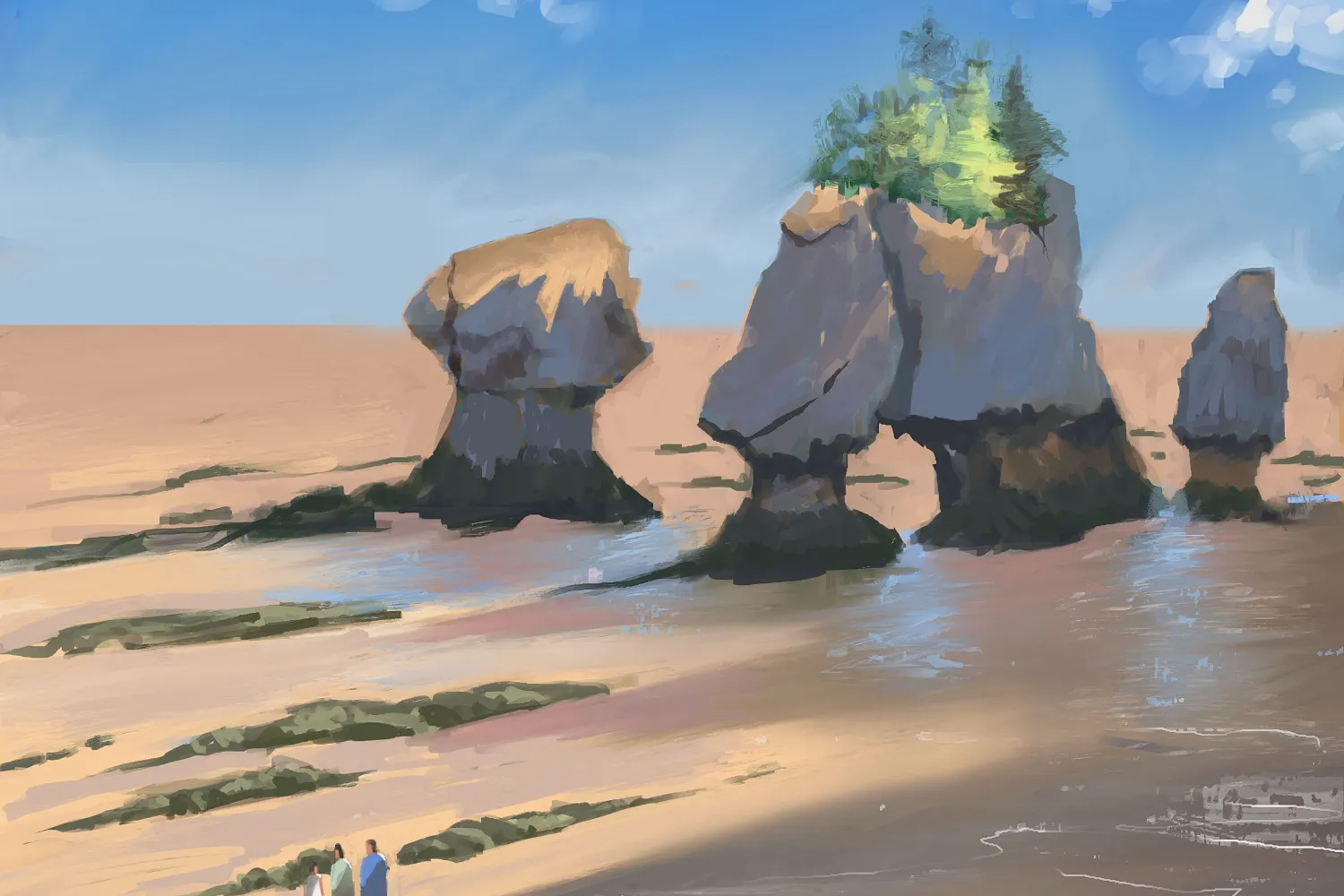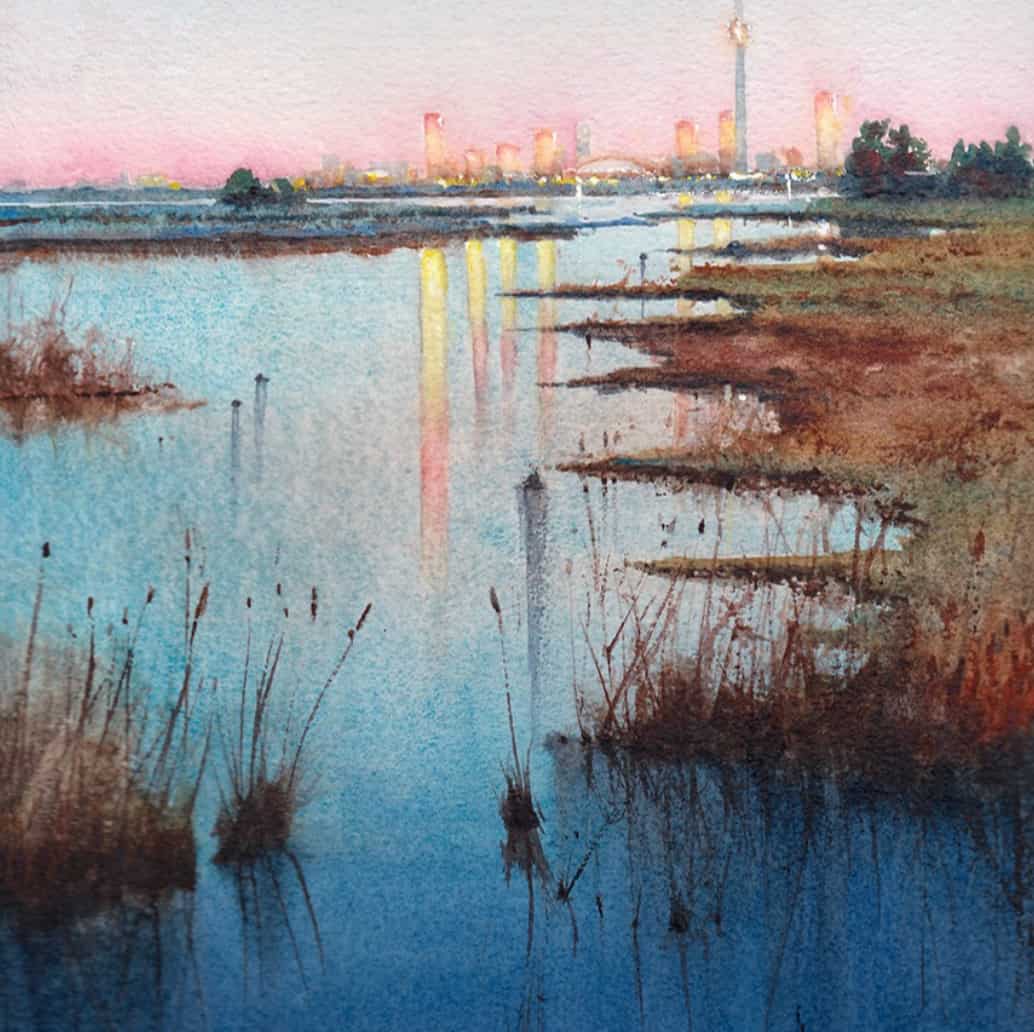
Watercolour Landscapes: The Art of the Expressive Wash
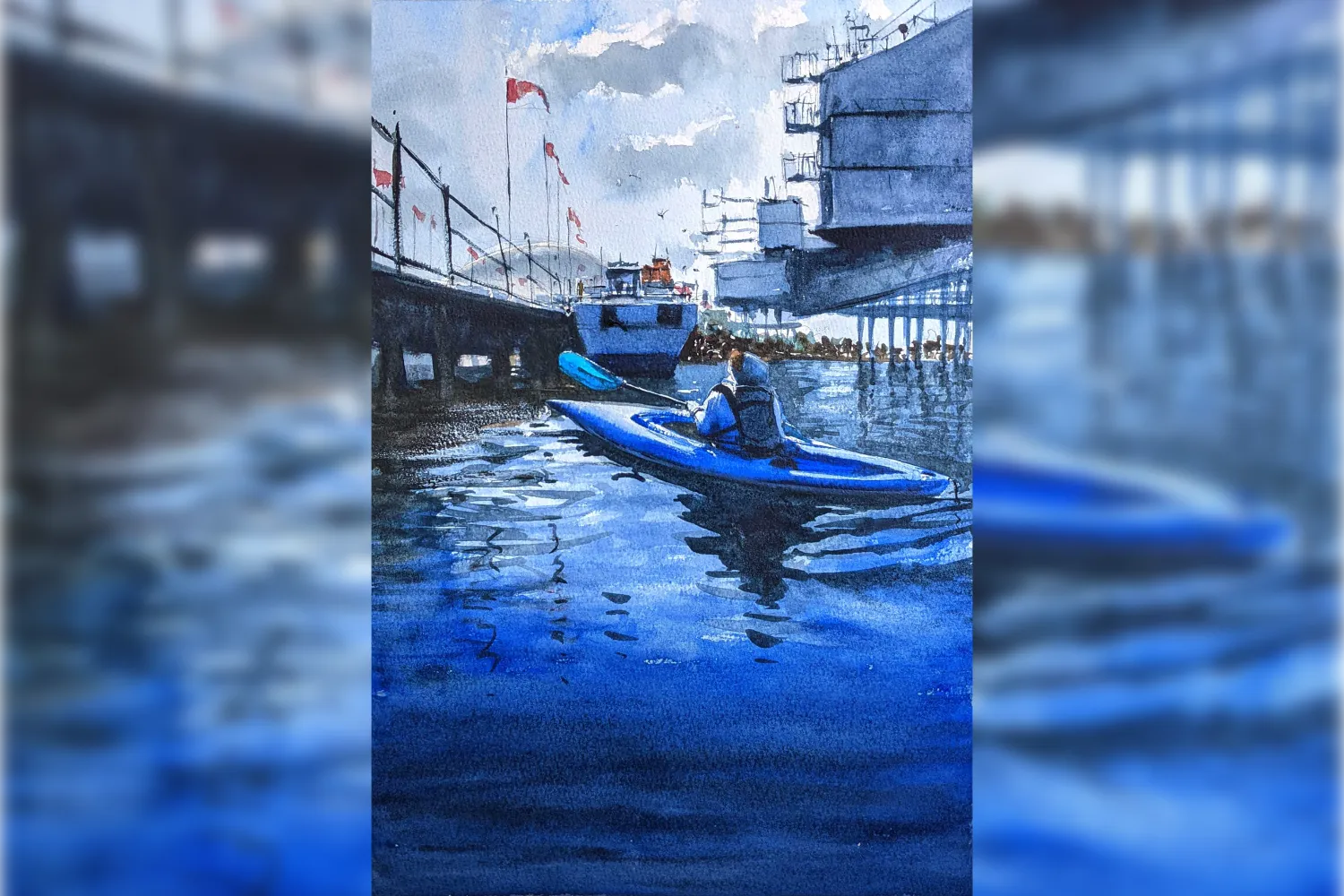
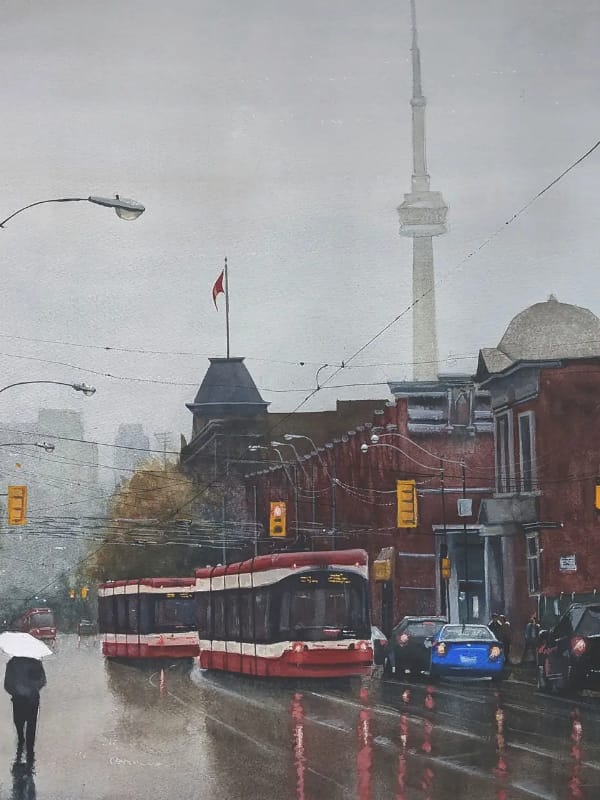
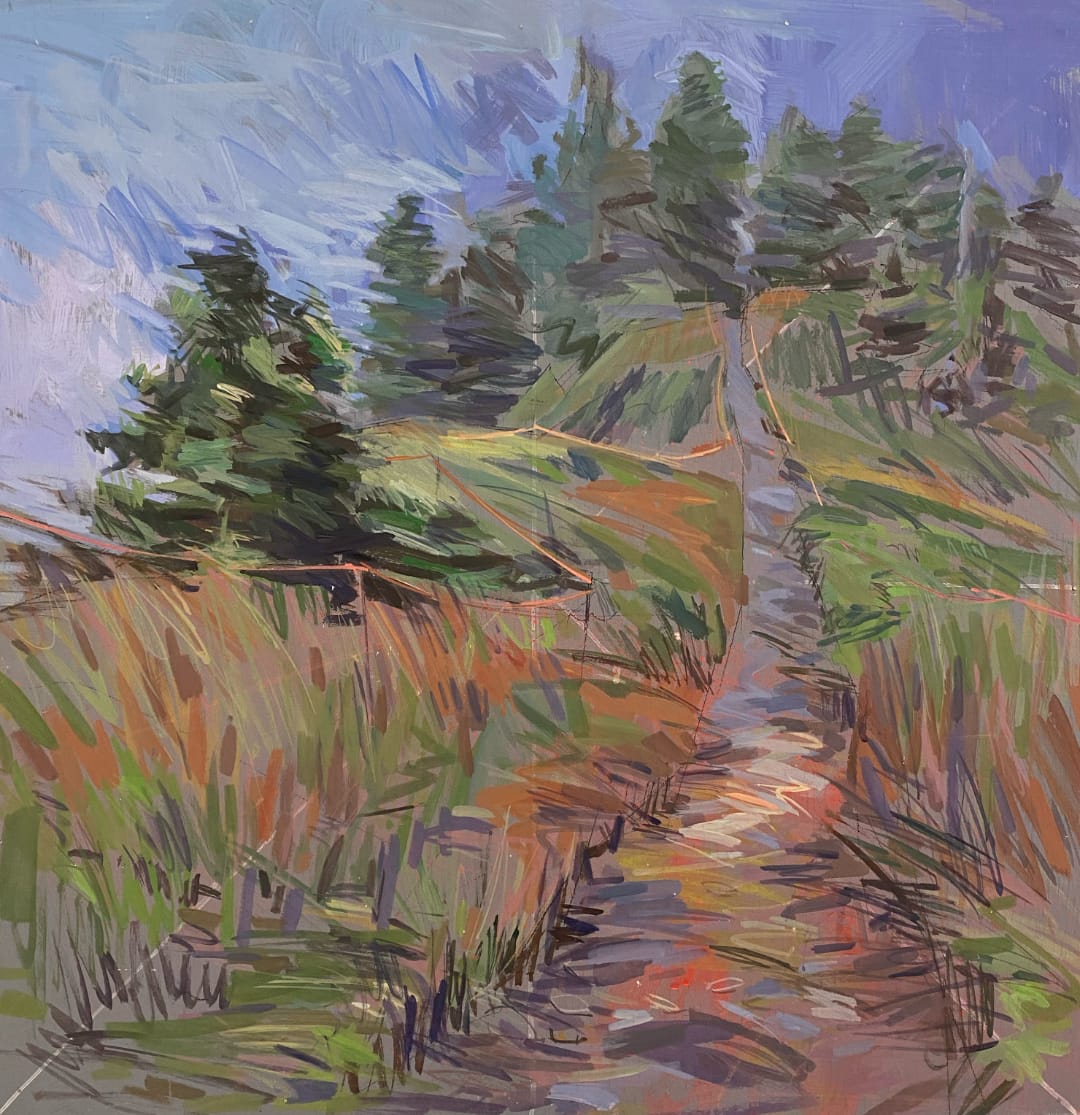
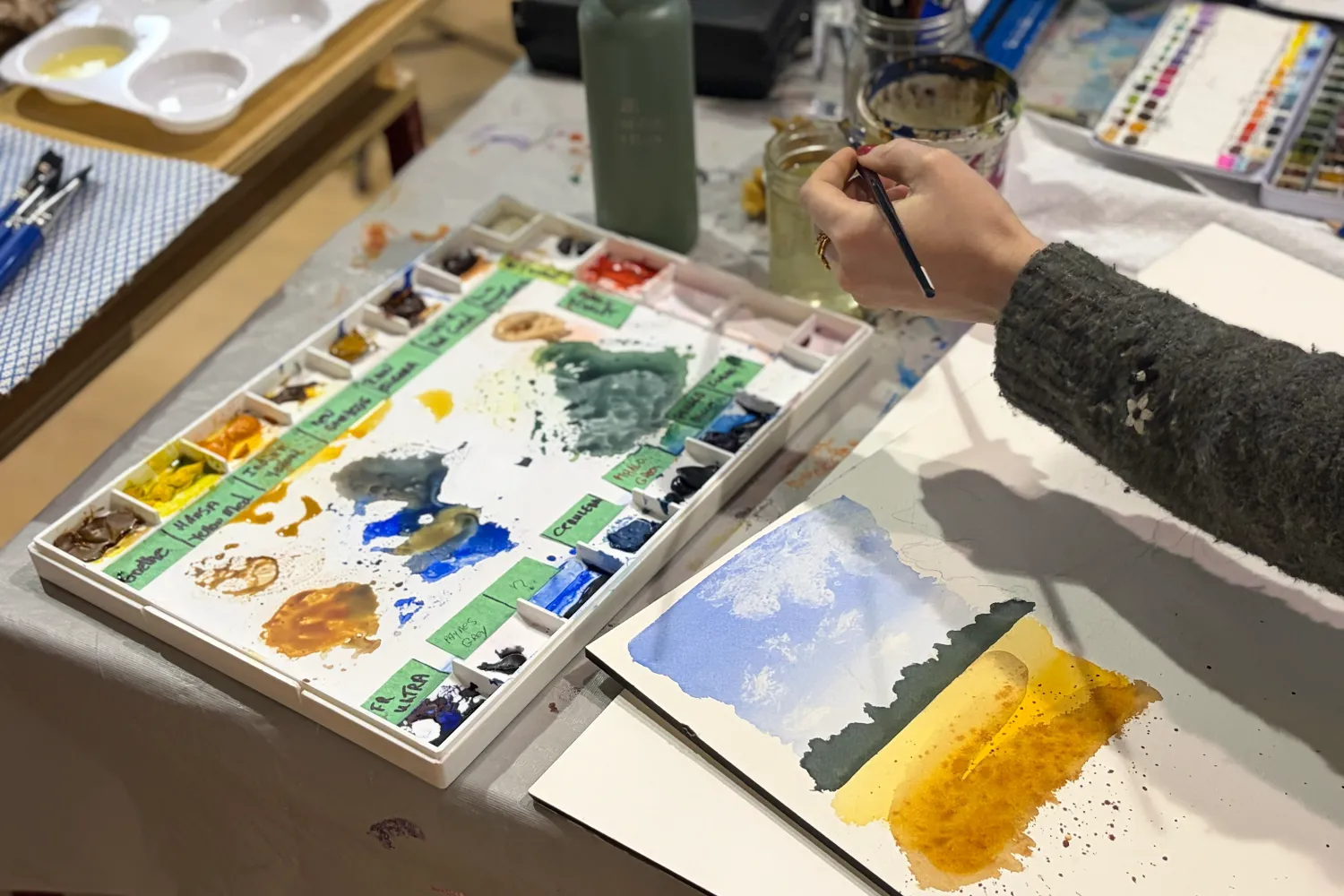
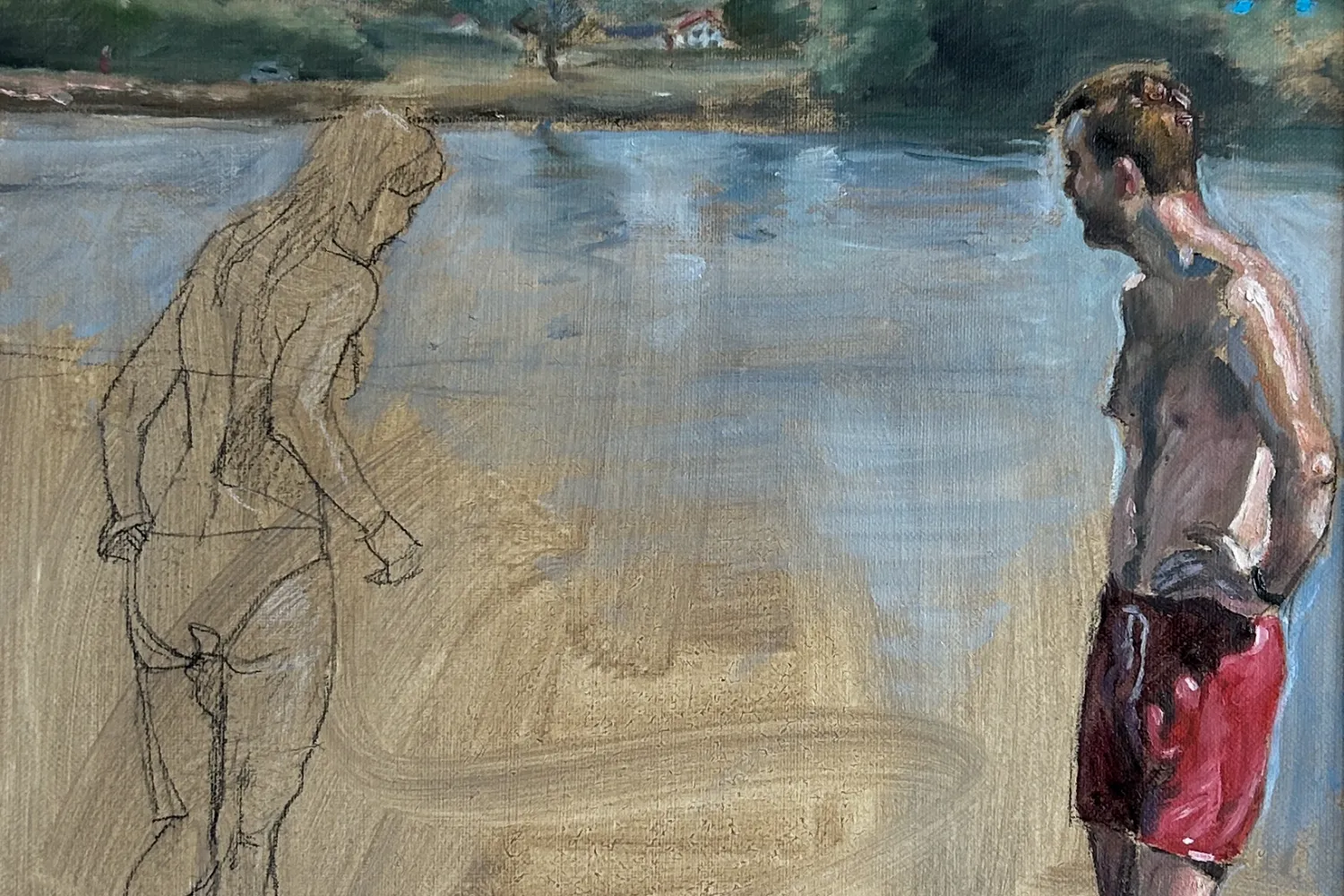
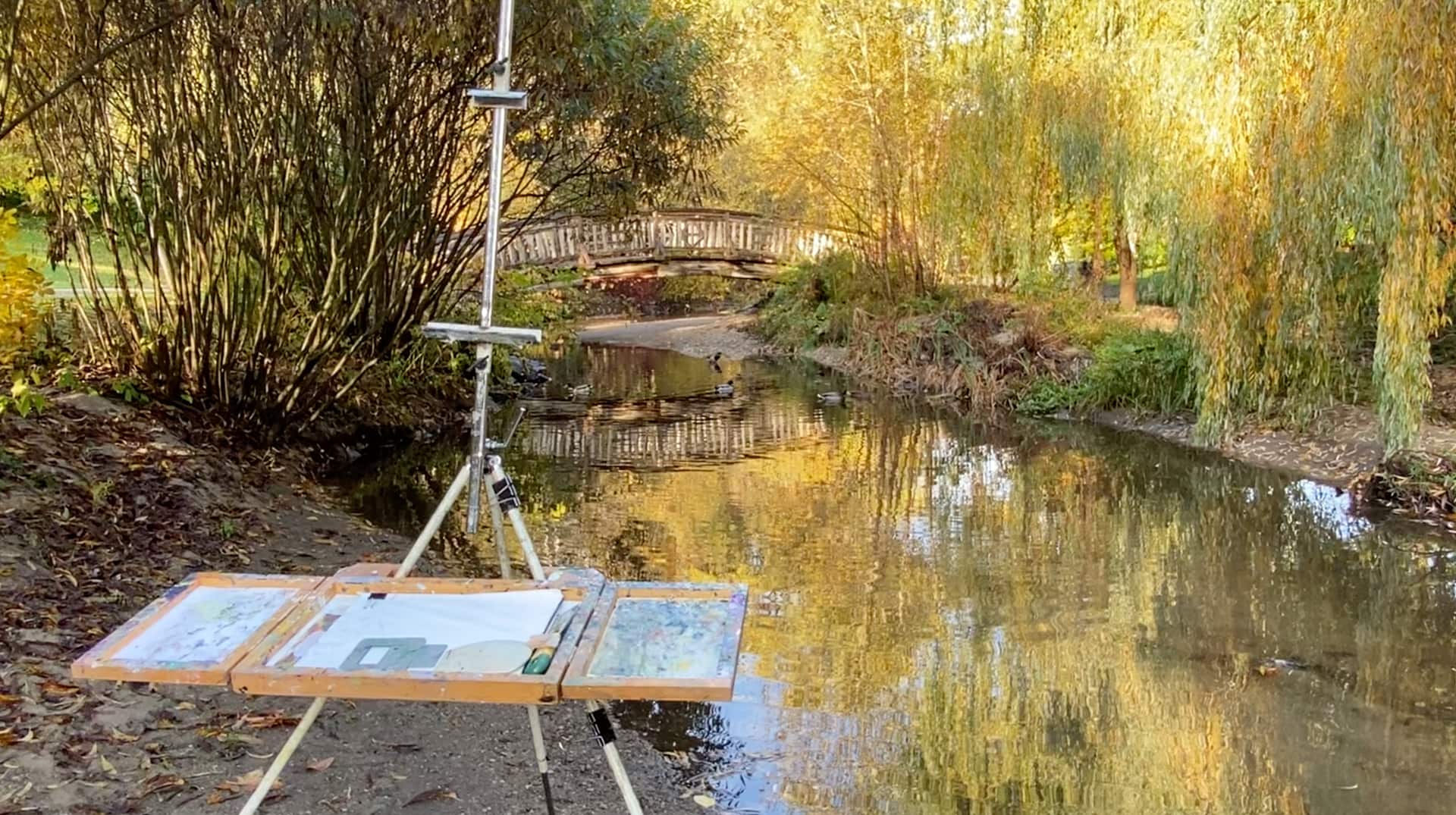
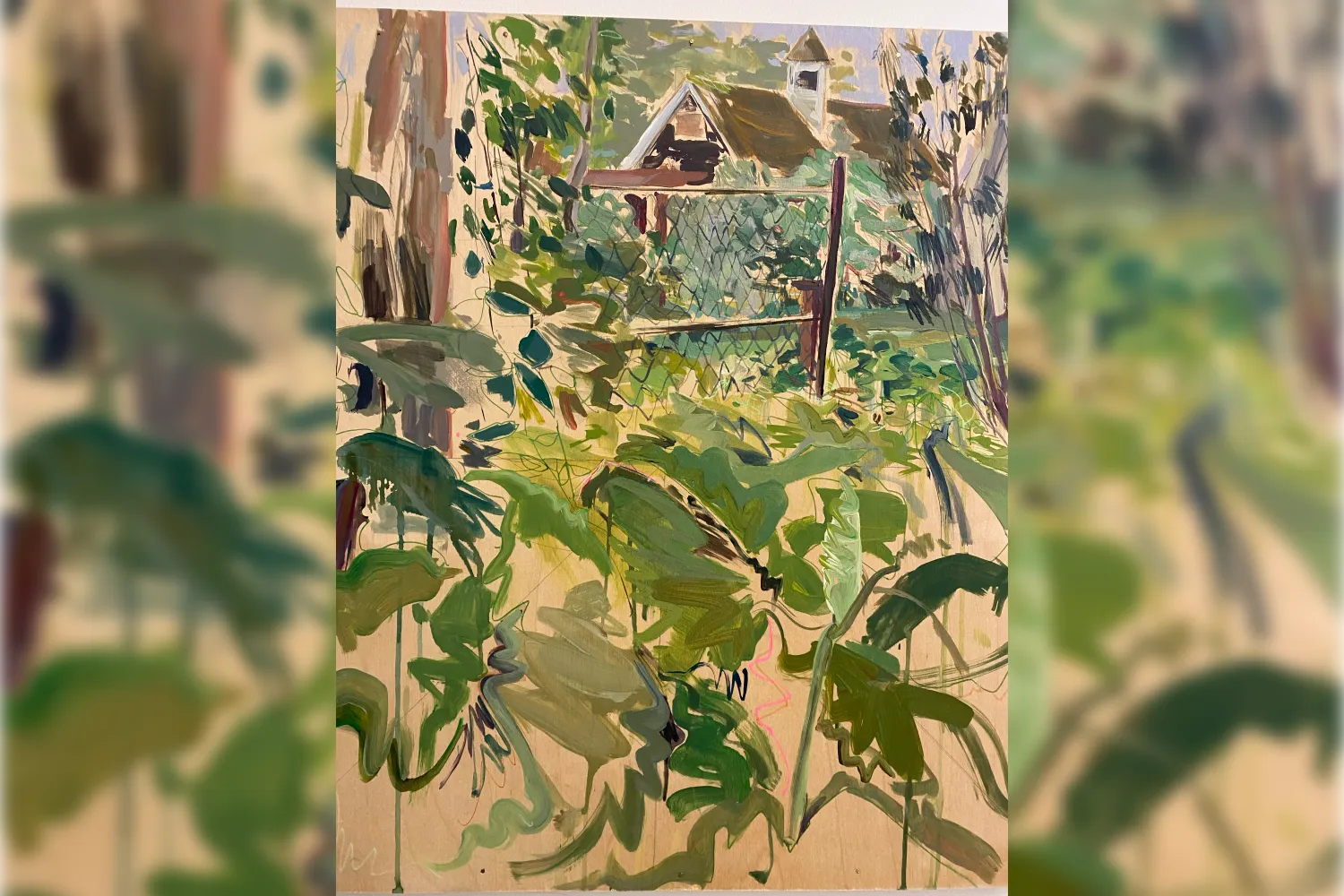
This single-day workshop invites you to move beyond rigid detail and develop a personal style rooted in loose, gestural brushwork. Under the direction of Dinesh, you will directly analyze and employ the core principles of his professional practice. The focus is on embracing the fluidity of watercolour to capture the essence of the landscape rather than a precise likeness. Through focused demonstrations and hands-on exercises, you will learn to manage water-to-pigment ratios for dramatic effect, simplify complex scenes, and build dynamic compositions using impactful value contrasts and expressive colour. This workshop is an ideal opportunity to refine your ability to respond intuitively to the subject, leading to landscape works that feel fresh, experimental, and lively.
- Analyze the landscape and effectively simplify complex visual information into its essential forms and values.
- Develop proficiency in gestural brushwork and wet-into-wet techniques for creating expressive, “loose” effects.
- Define and apply the core principles of the instructor’s award-winning painterly approach to your own work.
- Construct dynamic compositions that utilize atmospheric perspective and impactful colour relationships.
- Refine your intuitive process for making immediate decisions about washes and pigment placement under pressure.
- Explore a broadened visual vocabulary for representing natural light and texture in a spontaneous manner.
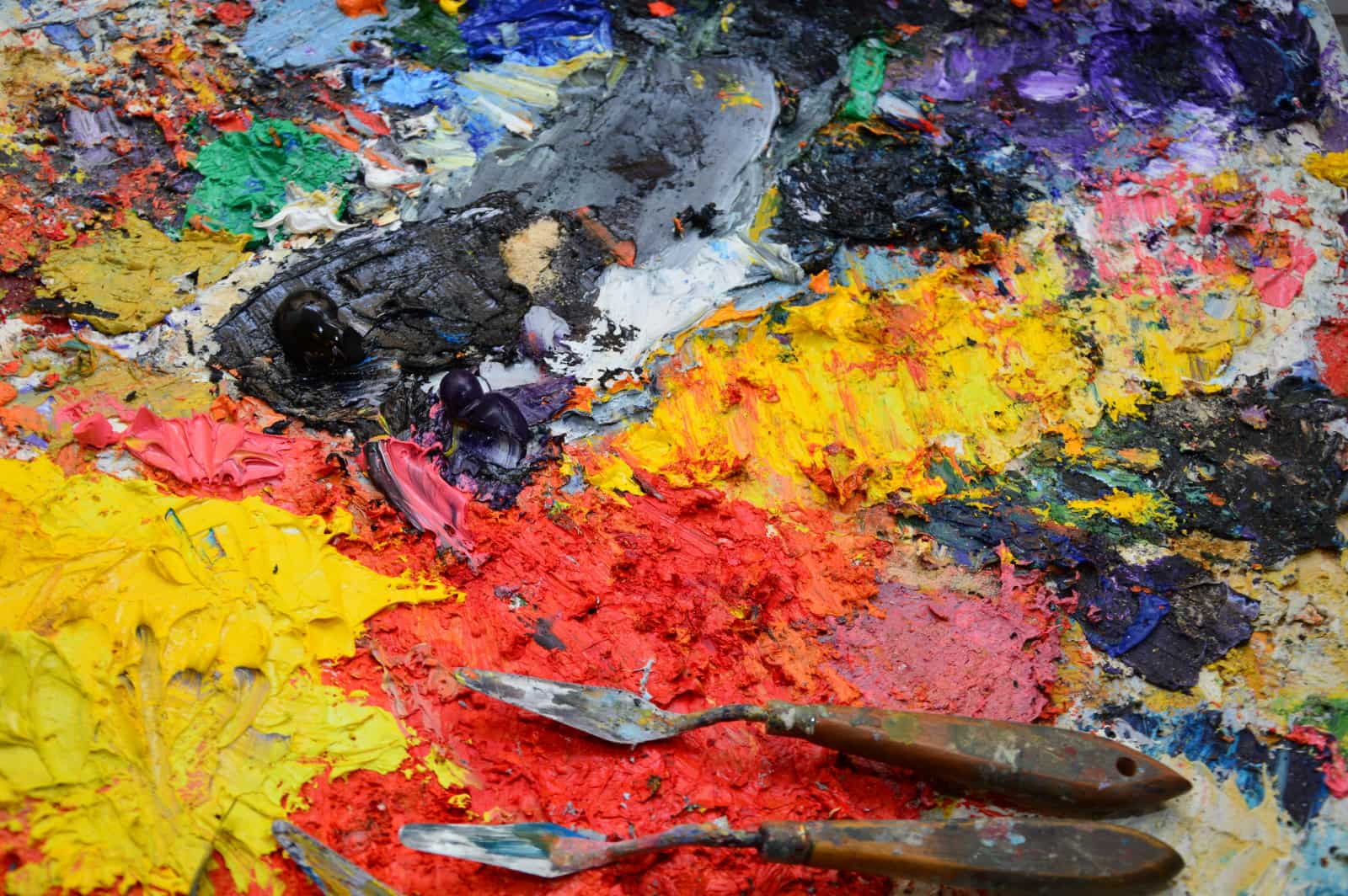
- Paints: Students Preference/ Recommended brand Winsor newton Cotman/professional grade
- Brushes: #12 -24 Round Synthetic Sable Brushes, #2 or Large Rigger Brushes, #4 and #8 Flat Brushes, #8 and #6 and #4 Mop/Quill brushes,
For this class: Round Brushes – Different Sizes Mop/Quill Brushes – #4, #6, #8
Rigger/Liner Brush Flat Brush – Optional
Cat tongue Brush – Optional
- Watercolor Paper:
When it comes to watercolour paper, always go for 300 GSM (140 lb). I prefer Saunders Waterford and Baohong watercolour paper. You can also see that any watercolour paper of good grade will suffice. For class demos, I will use Baohong watercolour paper as it’s a more affordable option for students. You can find it on Amazon. - Palettes:
Watercolour palettes or mixing trays for blending and mixing colours. Porcelain or plastic palettes work well. - Water Containers:
Students will need containers for clean water to dilute and clean their brushes. Plastic or glass containers are suitable. - Pencils and Erasers:
Pencils for sketching and drawing before painting. I prefer mechanical pencils with 0.5 or 0.7 to draw thin light sketches. - Paper Towels or Sponges – These are handy for blotting, lifting excess water or paint, and creating texture.
Details
Winter 26
Saturday, February 28 ( 1 day )
11am-3pm
Fee: $145 +HST
Wychwood Barns,
601 Christie St, Suite 170,
Toronto, ON M6G 4C7
You Might Also Like...
-
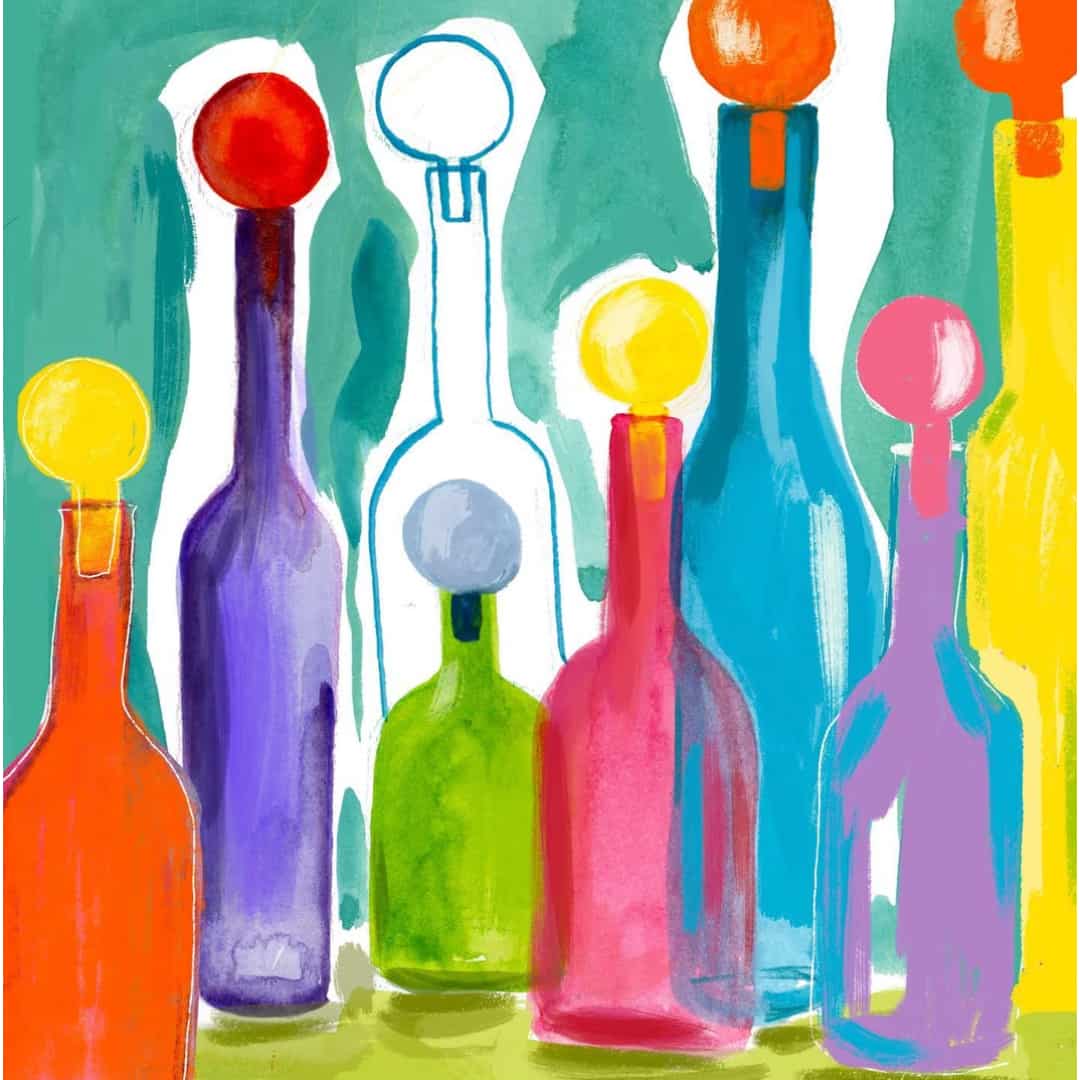 Saturdays, February 28 - April 410am - 12:30pm
 -
 Thursdays, February 26 - April 01-3:30pm
 -
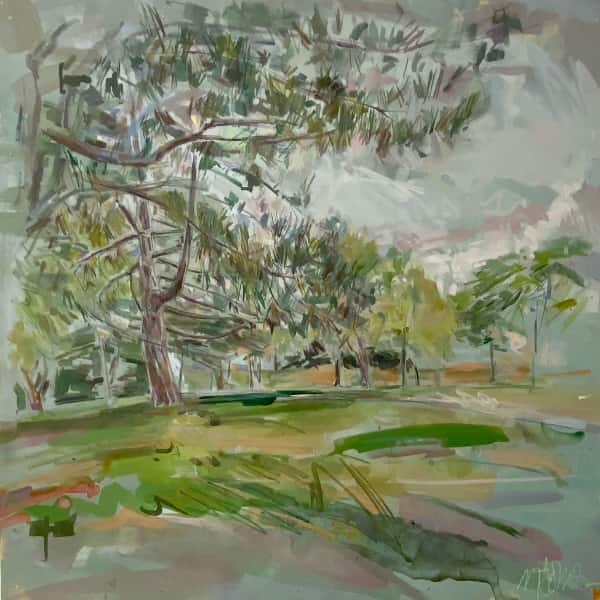 Thursdays, November 20 - December 111 - 3:30pm
 -
Thursdays, September 25 - November 61 - 3:30pm
-
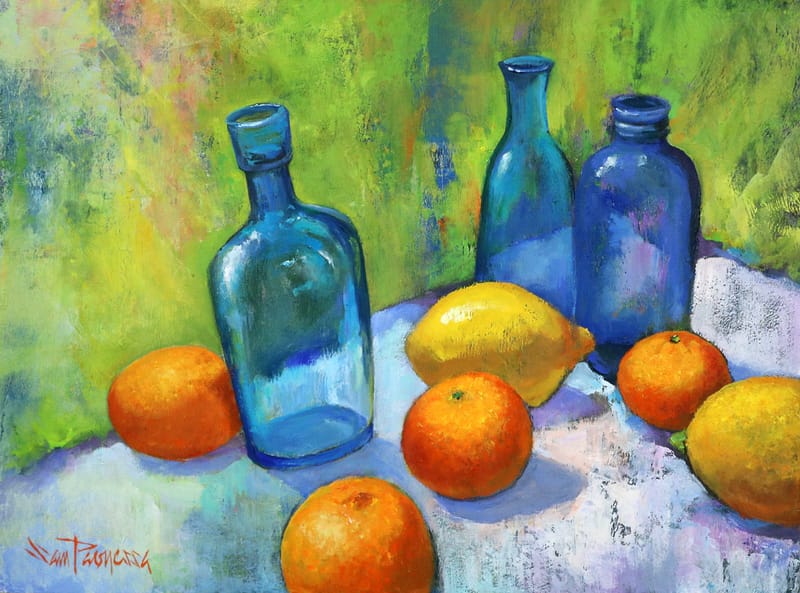 Mondays, November 24 - December 89:30am - 12pm
 -
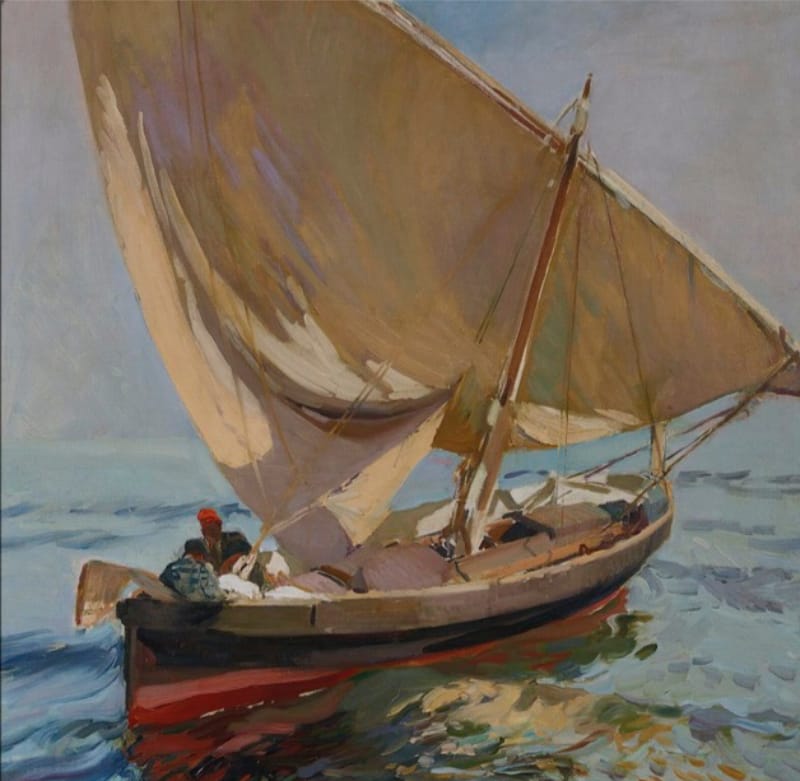 Tuesdays, October 14 - November 251:30 - 3:30pm
 -
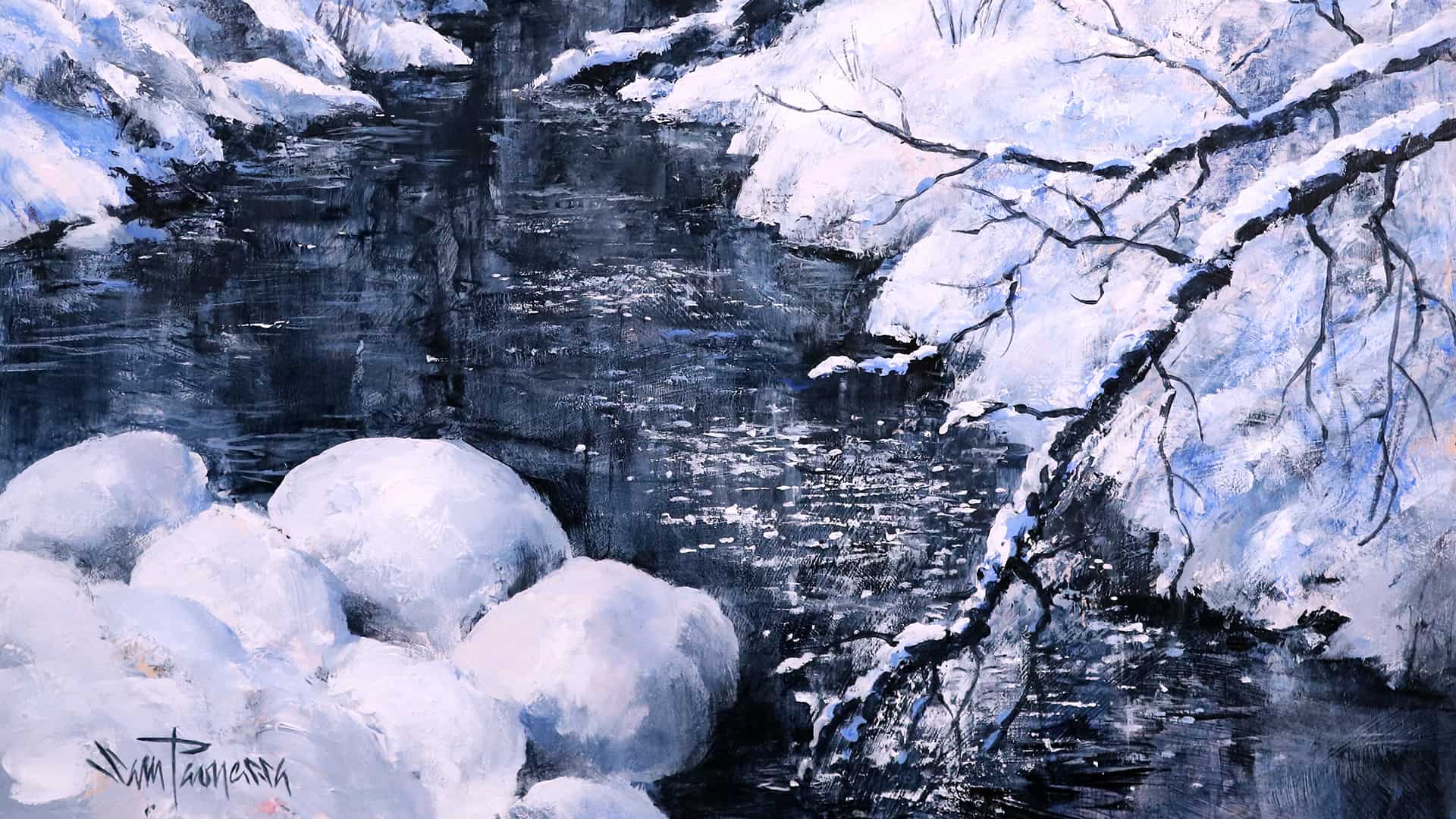 Mondays, January 19 - February 99:30am - 12pm
 -
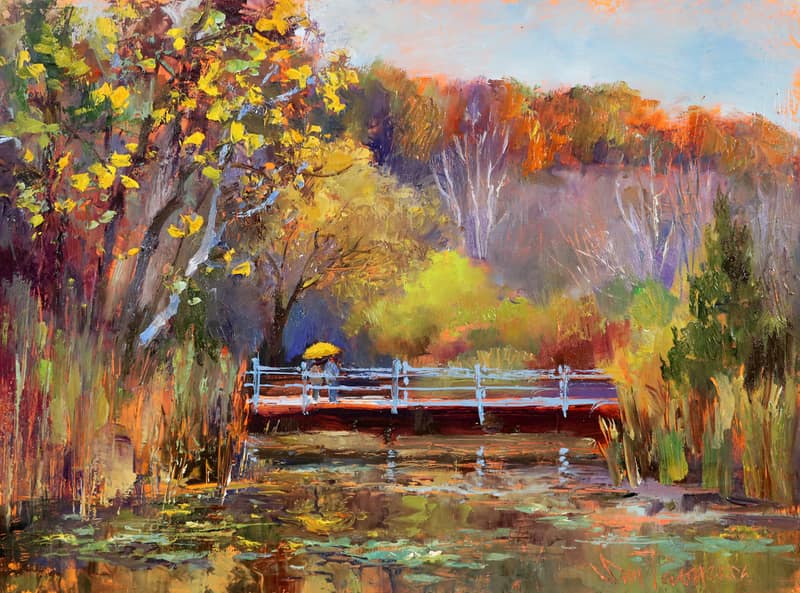 Mondays, October 20 - November 179:30am - 12pm